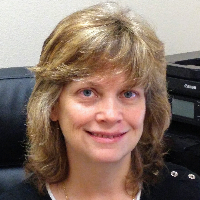
About Shona
Shona Dyche is a licensed professional counselor with 14 years of experience in Louisiana. She focuses on helping people facing depression, anxiety, stress, low self-esteem, and mood concerns. She also supports people dealing with ADHD, addictions, grief, trauma and abuse, anger, relationship and family worries, career stress, bipolar disorder, and self-harm concerns.
In sessions she keeps language simple and practical. Conversations aim to clarify what feels most urgent and what small changes could make a difference.
Background and approach
She uses tools that help people manage intense feelings and develop steadier routines. Her style blends a client-centered stance with cognitive behavioral techniques. That means she listens first to understand each person's priorities, then introduces clear strategies to change unhelpful thoughts and behaviors.
Sessions often include skill practice between meetings to build progress over time. Shona works with people who want direct support and concrete steps. She emphasizes respect and calm during difficult conversations.
The work is collaborative and paced to the client’s comfort. Clients can expect a focus on coping skills, mood regulation, and problem-solving for everyday stressors. She aims to help people leave sessions with one or two actionable ideas.
Over time those small changes are meant to add up into steadier functioning and greater self-understanding.
How her approaches guide online therapy
Client-Centered Therapy focuses on understanding each person's experience first. The therapist offers empathy, reflective listening, and a nonjudgmental space so clients can name priorities and decide goals. This approach helps when someone needs validation and clearer direction before trying new strategies.Cognitive Behavioral Therapy, or CBT, looks at the link between thoughts, feelings, and actions. It introduces specific tools to change unhelpful thinking patterns and build new habits, which can help with anxiety, depression, stress, and mood swings.
Finding the right approach is part of the process. The therapist will work together with the client to choose which methods fit best for their goals and daily life. That collaboration can include trying different techniques and adjusting the plan as progress is made.
Online formats offer flexibility for people juggling work, school, or family demands. Video calls allow real-time conversation and visual cues. Phone sessions can be a good choice when bandwidth is limited or when someone prefers not to use video. Live chat and text-based messaging let clients check in between sessions or use shorter, more frequent touchpoints. These options make it easier to keep therapy consistent around a busy schedule.
Questions people ask
What kinds of problems does she help with?
How would you describe her therapy style?
How much experience does she have?
What are her credentials and where is she based?
Can people who live outside the US work with her?
What session formats are available?
How does payment and cost work?
How do I begin a therapy process with her?
What this counselor works with
Most often
- Stress, Anxiety
- Anger management
- Self esteem
Also listed
- Addictions
- ADHD
- Bipolar disorder
- Career difficulties
- Depression
- Family conflicts
- Grief
- Relationship issues
- Self-harm
- Trauma and abuse
Therapeutic approaches
- Experience
- 14 years
- Licensed
- Louisiana
- Languages
- English