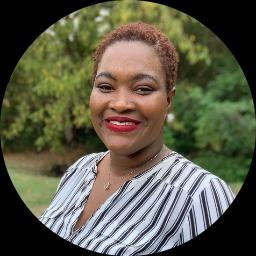
About Shanta
Dr. Shanta Jerideau is a licensed professional counselor (LPC) practicing in South Carolina. She brings seven years of clinical experience to conversations about stress, anxiety, depression, and relationship concerns.
She speaks English and works with people from a range of backgrounds, including international clients. Her approach is straightforward and practical. She uses clear talk and concrete steps to help people who feel stuck or overwhelmed.
Sessions focus on what a person wants to change and small, achievable moves toward those goals.
Background and approach
Shanta draws from several evidence-based methods, including Acceptance and Commitment Therapy and Cognitive Behavioral Therapy. She also uses Attachment-Based and Emotionally-Focused Therapy ideas when relationships or intimacy are central to the concern. These tools are used to help with mood, self-esteem, grief, trauma, parenting strain, and coping with life changes.
She aims to adapt the way she works to each person. That could mean skills practice one week and deeper emotional work the next. She stresses respect, sensitivity, and compassion throughout the process.
For parents worried about a child or a partner having trouble, she can help clarify what’s happening and outline steps to improve communication and coping. Getting started typically begins with a short matching questionnaire and scheduling a first session.
Therapeutic approaches and online care
Acceptance and Commitment Therapy (ACT) helps people notice difficult thoughts and feelings without getting stuck in them, then clarify what matters and take value-guided steps. It can be useful for anxiety, stress, and life changes. Cognitive Behavioral Therapy (CBT) focuses on identifying unhelpful thought patterns and practicing new behaviors to reduce symptoms of depression and anxiety. It often includes structured exercises and homework to build new habits.Finding the right approach is part of the work together. The therapist will talk with the client about goals, preferences, and what feels most useful. Sessions can shift approaches over time so the plan stays matched to what a person needs and wants.
Online therapy offers more ways to connect than in-person only. Video calls allow face-to-face conversation and screen sharing for worksheets. Phone sessions are useful when bandwidth is an issue or a quick check-in is needed. Live chat and text-based messaging let someone send short updates or get support between sessions. These options make it easier to fit counseling into a busy life and keep momentum on goals.
Questions people ask
What issues does she help with?
How does she approach therapy?
What background does she bring to sessions?
Where is she licensed and based?
Can I work with her if I live outside the U.S.?
What session formats are offered?
How are costs handled?
How do I begin working with her?
What this counselor works with
Most often
- Stress, Anxiety
- Relationship issues
- Self esteem
Also listed
- Coping with life changes
- Depression
- Family conflicts
- Grief
- Intimacy-related issues
- LGBT
- Parenting issues
- Trauma and abuse
Therapeutic approaches
- Experience
- 7 years
- Licensed
- South Carolina
- Languages
- English