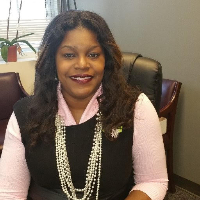
About Shaketha
Dr. Shaketha Blankenship is a Licensed Professional Counselor (LPC) practicing in Georgia with 25 years of experience. She brings a calm, steady presence and aims to create a trusting, nonjudgmental space where people can talk about what is hard and begin to make changes.
Her work is grounded in practical support and encouragement rather than jargon. She uses several therapy approaches to meet different needs, including Acceptance and Commitment Therapy, Client-Centered Therapy, Solution-Focused Therapy, and Mindfulness Therapy.
Background and approach
Sessions focus on simple, useful skills people can try between meetings. The goal is to help people notice what matters to them and take steps that fit their life. Dr.
Blankenship has worked with people facing stress, anxiety, depression, grief, anger, relationship and intimacy concerns, parenting questions, career challenges, compassion fatigue, trauma and abuse, ADHD, and LGBTQ matters. She believes most people already have strengths and resources to build on, and therapy helps bring those forward. Her approach is straightforward and collaborative.
She listens, reflects what she hears, and offers small, practical tools to try. She supports clients in setting realistic goals and tracking progress over time. Sessions are offered in English and delivered online by phone, video, chat, or text.
Prospective clients complete a short questionnaire to match with her and then schedule sessions based on mutual timing. Dr. Blankenship aims to help people move from feeling stuck to having clearer options and next steps.
How therapeutic approaches translate to online care
Acceptance and Commitment Therapy (ACT) helps people clarify what matters to them and take actions that match those values despite uncomfortable thoughts or feelings. It can be useful for anxiety, depression, grief, and life changes by focusing on small, values-based steps.Client-Centered Therapy centers on listening and understanding. The therapist reflects what is heard and offers empathy so people can make their own choices. This approach supports self-esteem, relationship concerns, and times when someone needs steady emotional support.
Finding the right approach is a collaborative process. The therapist and client will discuss goals, preferences, and what feels most helpful, then try strategies and adjust as needed. Sessions may combine elements from different approaches to suit each person's situation.
Online formats make it easier to fit therapy into a busy life. Video calls let people see facial cues and do deeper conversation. Phone sessions can work when bandwidth is limited or someone prefers not to be on camera. Live chat and text-based messaging are helpful for quick check-ins, brief problem-solving, or when someone needs a flexible option between other responsibilities.
Questions people ask
What kinds of concerns does she address?
What is her therapy style like?
How much experience does she have?
What are her credentials and where is she based?
Which languages are supported for sessions?
Can people outside the US work with her?
What session formats are available?
How does cost and starting therapy work?
What this counselor works with
Most often
- Stress, Anxiety
- Grief
- Anger management
Also listed
- ADHD
- Career difficulties
- Compassion fatigue
- Coping with life changes
- Depression
- Family conflicts
- Intimacy-related issues
- LGBT
- Parenting issues
- Relationship issues
- Self esteem
- Trauma and abuse
Therapeutic approaches
- Experience
- 25 years
- Licensed
- Georgia
- Languages
- English