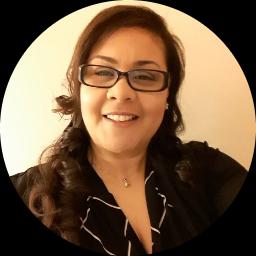
About Rachel
Rachel Marshall is a Licensed Professional Counselor in Texas who focuses on helping people make meaningful changes. She draws on a calm, respectful manner and a practical approach to support people facing stress, anxiety, trauma, relationship struggles, career questions, and big life transitions. Her work starts with listening.
She takes time to understand a person's goals and what is getting in the way. From there she offers clear options rather than one fixed path.
Background and approach
Sessions are straightforward and aimed at small, achievable steps. Rachel uses techniques from client-centered therapy to keep the conversation focused on each person's values and choices. She also uses cognitive behavioral strategies to spot unhelpful thinking and replace it with more useful habits.
When trauma is part of the picture she brings trauma-focused tools to address painful memories safely. People who do best with her tend to want practical change and a therapist who is direct but warm. She will work collaboratively to set goals such as reducing panic attacks, developing coping skills, or clarifying life purpose.
Rachel adapts her style to each person rather than following a rigid script. Her sessions can include coaching-style conversations for career or life-purpose questions alongside therapy work for anxiety or post-traumatic stress. This mix helps people move from feeling stuck to making reliable progress in day-to-day life.
How her approaches translate to online therapy
Client-centered therapy focuses on the person’s own goals and values. In online sessions this means conversations center on what matters to the client and the therapist follows the client’s lead to build motivation and direction. Cognitive behavioral therapy, or CBT, helps people notice patterns of thought and behavior and try practical experiments to change them; it often targets anxiety, panic, and unhelpful thinking with concrete exercises and homework.Finding the right mix of approaches is part of the work. Rachel will collaborate with each person to choose techniques that fit their goals, comfort level, and daily routine. She tailors tools from different approaches so sessions feel relevant and doable rather than academic.
Online formats offer practical advantages. Video calls let people meet face to face when that helps build rapport. Phone sessions can be easier when bandwidth is limited or when someone prefers not to use video. Live chat and text-based messaging are useful for shorter check-ins, quick coaching prompts, or when scheduling a longer conversation is difficult. These options make it easier to keep momentum between sessions and to fit therapy into a busy life.
Questions people ask
What kinds of concerns does Rachel address?
How would you describe her therapeutic style?
What is her background and experience?
Where is she licensed and based?
Are sessions offered in other languages or internationally?
What formats are available for sessions?
How does pricing work for sessions?
What steps do I take to begin working with her?
What this counselor works with
Most often
Also listed
- Career difficulties
- Coaching
- Coping with life changes
- Life purpose
- Panic disorder and panic attacks
- Post-traumatic stress
- Relationship issues
Therapeutic approaches
- Experience
- 4 years
- Licensed
- Texas
- Languages
- English