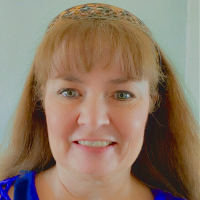
About Phyllis
Phyllis Siebern is a licensed professional counselor who brings three years of LPC practice in Arizona to her work. She focuses on giving straightforward support for stress, anxiety, anger, depression, addictions, trauma and abuse, eating concerns, self-esteem issues, and bipolar symptoms. Her style is direct and warm, with room for humor when it helps people relax and talk more freely.
Phyllis uses practical skills from Cognitive Behavioral Therapy and Dialectical Behavior Therapy, and she draws on mindfulness practices to help people notice thoughts and feelings without getting overwhelmed.
Background and approach
Sessions tend to focus on clear, doable strategies that people can try between meetings. She aims to help people build tools they can use in daily life rather than rely on long talks alone. People who come to her usually want concrete steps for coping with strong emotions, reducing anxiety, or managing impulsive behavior.
She also supports work around forgiveness, personality disorders, and self-harm concerns, offering calm, direct guidance and ways to stay safer during hard moments. Phyllis keeps language simple and explanations brief so busy parents can read and understand quickly. She believes change is possible but honest about the effort it takes, and she helps people set small, realistic goals.
Her sessions are offered in English and provided through several online formats. Those who want to begin can follow the site’s sign-up flow to match and schedule a first session with her.
How her approaches work online
Phyllis uses Cognitive Behavioral Therapy to help people identify unhelpful thoughts and test them with real-life experiments. CBT gives simple tools to change patterns of thinking that feed anxiety, depression, and avoidance.She also draws on Dialectical Behavior Therapy for managing intense emotions and impulsive urges. DBT teaches skills like emotion regulation, distress tolerance, and clearer communication that can reduce crisis moments.
Mindfulness Therapy is used alongside these methods to help people notice sensations and thoughts without reacting immediately. Practicing small mindfulness exercises can make it easier to use CBT and DBT skills in daily life.
Finding the right mix of approaches is part of the work. She collaborates with each person to pick methods that match their goals, needs, and preferences. That may mean trying one tool for a few sessions and adjusting if it isn’t fitting well.
Online sessions use video calls, phone sessions, live chat, or text-based messaging so people can choose what fits their day. Video is useful for deeper conversation, phone works when bandwidth is limited, quick check-ins suit chat, and text messaging can support brief ongoing support between longer sessions. These options make therapy more flexible for busy schedules and different comfort levels.
Questions people ask
What kinds of concerns does she help with?
How would you describe her therapeutic style?
What is her background in therapy?
Where is she licensed and practicing?
Which languages are supported for sessions?
What session formats are available?
How does cost and billing work?
What are the steps to begin working with her?
What this counselor works with
Most often
- Stress, Anxiety
- Anger management
- Depression
Also listed
- Addictions
- Bipolar disorder
- Eating disorders
- Forgiveness
- Personality disorders
- Self esteem
- Self-harm
- Trauma and abuse
Therapeutic approaches
- Experience
- 3 years
- Licensed
- Arizona
- Languages
- English