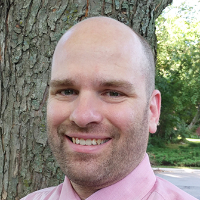
About Paul
Paul Schroeder-Haag draws on a varied life and seven years of counseling work to help people cope with stress, anxiety, addiction, depression, and relationship strain. He is a Licensed Professional Counselor, LPC, practicing in Wisconsin and offering straightforward, down-to-earth support. He aims to make conversations simple and real so people can talk about what matters most.
He began with a master’s degree in criminal justice in 2006 and later completed a master’s degree in counseling in 2013.
Background and approach
That mix of education and life experience shaped his interest in working with people who have faced trauma, domestic violence, or substance use struggles. He also helps with grief, parenting concerns, anger, intimacy issues, and major life changes. Sessions focus on practical steps that match each person’s situation.
Paul draws from client-centered methods to follow the person’s lead and from cognitive behavioral techniques to address unhelpful thinking and behaviors. He also uses mindfulness and trauma-focused work when needed, and solution-focused ideas to set short-term goals. Paul describes his style as relaxed and approachable.
He spends time getting to know each person’s story and prefers an easygoing, respectful pace. That helps people feel more comfortable talking about sensitive topics like sexual assault, post-traumatic stress, panic attacks, or fatherhood challenges. He conducts sessions in English and can work with international clients.
Paul aims to stay current through ongoing study so he can offer practical tools and steady support for people navigating difficult seasons.
How therapeutic approaches meet online care
Client-centered therapy focuses on listening and following the person’s lead. In practice this means sessions start with what matters most to the person and build from there, which helps with relationship strain, parenting worries, and self-esteem concerns.Cognitive Behavioral Therapy, or CBT, looks at the links between thoughts, feelings, and actions. It teaches practical skills to change unhelpful thinking and behavior, useful for anxiety, panic attacks, depression, and addictive patterns.
Finding the right approach is part of the collaboration. The therapist will talk with each person about goals, preferences, and what has or hasn’t worked before. Together they decide whether to emphasize listening and acceptance, skill-building with CBT, mindfulness practices, or trauma-focused work.
Online sessions make it easier to fit therapy into a busy life. Video calls allow face-to-face conversation when that’s helpful. Phone sessions can work when bandwidth is limited or when being on camera isn’t needed. Live chat and text-based messaging offer shorter check-ins and flexible ways to share progress between sessions. These options help people keep continuity with care while adapting to work, travel, or family schedules.
Questions people ask
What concerns does Paul commonly address?
How would you describe his therapeutic style?
What is his background and experience?
What credentials and location are listed?
Are sessions offered in other languages or internationally?
Which session formats are available?
How does billing and cost work?
What do I do to begin working with him?
What this counselor works with
Most often
- Stress, Anxiety
- Addictions
- Relationship issues
Also listed
- Anger management
- Coping with life changes
- Depression
- Domestic violence
- Drug and alcohol addiction
- Family conflicts
- Fatherhood issues
- Grief
- Intimacy-related issues
- Men's issues
- Panic disorder and panic attacks
- Parenting issues
- Post-traumatic stress
- Self esteem
- Sexual assault and abuse
- Social anxiety and phobia
- Trauma and abuse
Therapeutic approaches
- Experience
- 7 years
- Licensed
- Wisconsin
- Languages
- English