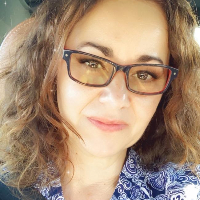
About Octavia
Octavia Fukino offers calm, straightforward support for people facing trauma, relationship pain, grief, anxiety, and issues with substance use. She greets clients with a warm, practical approach and focuses on building trust so people can talk through hard experiences.
Octavia is a Licensed Marriage and Family Therapist (LMFT) and also holds LPCC, and she brings seven years of counseling work to each session. Her style centers on listening first and helping people name what feels most urgent.
Background and approach
She uses clear techniques to reduce distress and to help people make changes that work in daily life. Sessions move at a practical pace and focus on skills you can try between meetings. Octavia works with attachment wounds, abandonment, adoption and foster care concerns, and the fallout of sexual assault and abuse.
She also addresses family problems, communication difficulties, codependency, and the guilt and shame that often follow trauma. Her experience includes helping people manage bipolar disorder, depression, and addictions alongside life transitions. She blends client-centered listening with tools from cognitive behavioral therapy and trauma-focused methods.
When appropriate, Eye Movement Desensitization and Reprocessing (EMDR) is used to process traumatic memories in targeted ways. The goal is to reduce painful reactions and help people reclaim equilibrium in relationships and daily routines. Octavia offers therapy in English and Romanian and works with adults in California.
Her sessions are offered through video calls, phone, live chat, or text messaging to fit different schedules and needs.
How attachment and trauma work translate to online care
Octavia commonly uses Attachment-Based Therapy to look at how early relationships shape current close connections. That approach helps people notice patterns in trust, boundaries, and emotional closeness and can be useful for relationship and intimacy concerns.She also uses trauma-focused methods and Eye Movement Desensitization and Reprocessing (EMDR) to address painful memories and intense reactions. Trauma-focused work aims to reduce the hold of traumatic memories so daily life and relationships feel more manageable, while EMDR offers a structured way to process specific traumatic events.
Finding the best approach is a collaborative process. The therapist will ask about your goals, symptoms, and what has helped or not helped before, then suggest options and adjust based on your feedback. Clients and therapist choose methods together and check progress as they go.
Online therapy offers practical flexibility: video calls let you work face to face without travel, phone sessions need less bandwidth, live chat supports shorter check-ins, and messaging can keep progress moving between meetings. These formats make it easier to fit therapy into busy schedules and to continue work through life changes.
Questions people ask
What kinds of problems does this therapist help with?
What is her therapeutic approach like?
How much clinical experience does she have?
What credentials and location are listed?
Which languages are supported for sessions?
What session formats are available?
How does payment and cost work?
How do I begin working together?
What this counselor works with
Most often
Also listed
- Abandonment
- Addictions
- Adoption and foster care
- Aging and geriatric issues
- Attachment issues
- Bipolar disorder
- Codependency
- Communication problems
- Coping with life changes
- Depression
- Dissociation
- Family conflicts
- Family problems
- Forgiveness
- Guilt and shame
- Intimacy-related issues
- LGBT
- Parenting issues
- Relationship issues
- Self esteem
- Sexual assault and abuse
- Stress, Anxiety
Therapeutic approaches
- Experience
- 7 years
- Licensed
- California
- Languages
- English, Romanian