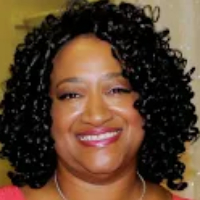
About Monique
Monique Willett is a Licensed Professional Counselor (LPC) and a Licensed Clinical Mental Health Counselor (LCMHC) practicing in North Carolina. She draws on 13 years of clinical work to support people facing stress, anxiety, depression, addiction, and relationship concerns. Monique aims to build a respectful connection first so people feel heard and can begin to make changes.
She focuses on practical skills and real-life coping strategies. Sessions often include exploring strengths and developing tools for sleep, emotion management, and communication.
Background and approach
Monique uses clear techniques from cognitive behavioral approaches and other evidence-informed methods to address recurring patterns and symptoms. Her style is collaborative and down-to-earth. She listens closely, checks in about what is working, and adapts methods to each person's goals.
This helps clients move from feeling stuck to noticing small, steady progress. Monique has worked across different settings and with a range of concerns including trauma and abuse, grief, parenting stress, bipolar disorder, ADHD, and career or life-purpose questions. She also addresses co-occurring issues such as substance use and communication problems.
Many people come to her for short-term coaching or longer therapeutic work. She blends client-centered care with structured strategies so clients learn skills they can use outside sessions. Monique supports people through change, and helps them plan goals for healthier daily routines and stronger relationships.
Online approaches that meet you where you are
Client-Centered Therapy focuses on building a trusting relationship first. The therapist listens without judgment and follows the client's lead to set goals and priorities. Cognitive Behavioral Therapy, or CBT, looks at the links between thoughts, feelings, and behaviors and teaches practical skills to change unhelpful patterns and manage symptoms like anxiety and depression. Dialectical Behavior Therapy, or DBT, offers tools for emotion regulation, distress tolerance, and interpersonal effectiveness, and can help when emotions feel overwhelming.Finding the right mix of approaches is part of the work. The therapist will discuss options and try methods that match the client's needs, goals, and preferences. This is a collaborative process and techniques are adjusted over time based on what helps most.
Online therapy offers several practical benefits. Video calls let people meet face-to-face without travel, while phone sessions can be shorter check-ins or work better when bandwidth is limited. Live chat and text-based messaging allow ongoing thoughts and quick reflections between sessions. These formats make it easier to fit therapy into a busy life and access consistent support from licensed professionals.
Questions people ask
What concerns does she address?
How would you describe her therapeutic style?
How much clinical experience does she have?
What credentials and region should I know about?
Can I work with her in a language other than English?
What session formats are available?
How is payment handled?
How do I begin therapy with her?
What this counselor works with
Most often
- Stress, Anxiety
- Trauma and abuse
- Anger management
Also listed
- Addictions
- ADHD
- Bipolar disorder
- Career difficulties
- Co-morbidity
- Coaching
- Communication problems
- Compassion fatigue
- Coping with life changes
- Depression
- Drug and alcohol addiction
- Family conflicts
- Grief
- Intimacy-related issues
- Life purpose
- Parenting issues
- Relationship issues
- Self esteem
- Sleeping disorders
Therapeutic approaches
- Experience
- 13 years
- Licensed
- North Carolina, South Carolina
- Languages
- English