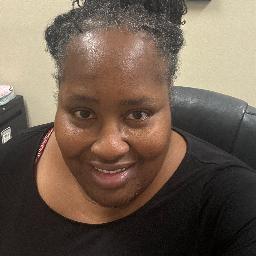
About Martha
Martha Green is a licensed professional counselor in Missouri who focuses on helping people manage addiction, relationship strain, trauma, anger, and low self-esteem. She takes a practical approach and aims to create a respectful, calm space where clients can speak honestly about what’s happening in their lives.
Her style centers on listening first and then tailoring conversations and plans to each person's needs. Sessions are conversational and goal-minded, with attention to skills that can be used between meetings.
Background and approach
She emphasizes compassion and straightforward guidance while helping people make small, steady changes. Over a decade of clinical work has given her experience with the patterns that often keep people stuck, such as guilt, shame, or difficulty communicating. She helps clients learn clearer ways to express themselves and repair strained connections.
For addiction concerns she focuses on practical steps for coping and reducing harm. Martha uses a mix of approaches to match the problem at hand. That may include examining thoughts and behaviors, strengthening emotional bonds, or focusing on how partners relate to one another.
She explains options and works with each person to decide what will help most. People who choose her often want a direct but compassionate guide who pays attention to real-life needs. She encourages questions about the process and adjusts the plan as progress is made.
How Martha’s Approaches Work Online
Client-Centered Therapy focuses on listening and responding to the person in front of the therapist. The aim is to understand a client’s perspective and help them find their own answers, which can be useful for issues like self-esteem and guilt. Cognitive Behavioral Therapy, or CBT, looks at the links between thoughts, feelings, and behaviors and teaches clear strategies for changing unhelpful patterns, a useful fit for anxiety, anger, and addiction-related habits.Choosing the right approach is a collaborative process. The therapist will talk through options and adapt methods based on a client's needs, goals, and preferences. Together they decide whether to emphasize skills work, emotion-focused work, or a mix of methods and then adjust as progress happens.
Online sessions are available by video calls, phone, live chat, or text-based messaging to make therapy flexible. Video calls let people see facial cues and hold longer conversations. Phone sessions can be shorter or easier when bandwidth is limited. Live chat and text messaging work well for quick check-ins, brief coaching, and follow-up between longer sessions. These options help fit therapy into busy routines and different lifestyles.
Questions people ask
What concerns does this counselor address?
What is her therapeutic style like?
How much clinical experience does she have?
Which credential and location should I know about?
Are sessions offered in other languages or internationally?
What session formats are available?
How does pricing work for sessions?
How do I begin if I want to work with her?
What this counselor works with
Most often
- Addictions
- Relationship issues
- Trauma and abuse
Also listed
Therapeutic approaches
- Experience
- 10 years
- Licensed
- Missouri
- Languages
- English