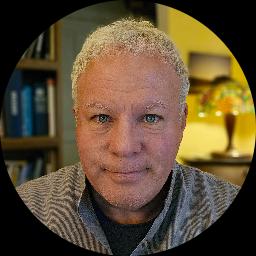
About Mark
Mark Beiser helps people manage anxiety, depression, trauma, stress, grief, relationship and intimacy concerns, parenting strain, ADHD, and a range of other life challenges. He brings a direct, steady style and aims to make therapy feel doable and practical. His work is rooted in nearly three decades of practice and he holds an IL LCPC credential.
Clients meet a therapist who emphasizes small changes first. He often starts by working on choices and routines that can shift thoughts over time.
Background and approach
Those shifts are intended to ease distress and build confidence through gradual steps. Mindfulness exercises, thought regulation, and goal-focused conversations are common tools. Mark also uses techniques drawn from narrative work and motivational interviewing when they fit a person's needs.
For trauma-related problems he integrates trauma-focused methods alongside these approaches. Sessions are conversational and skills-based. People learn concrete ways to manage strong emotions, reduce avoidance, and make steady progress toward goals.
He pays attention to motivation and confidence as part of the plan. With 28 years of experience, Mark combines practical strategies with patient guidance. He describes his role as walking alongside people as they make changes, not promising quick fixes but focusing on steady improvement over time.
Approach and access for online care
Mark commonly uses Cognitive Behavioral Therapy and Mindfulness Therapy in online sessions. CBT focuses on identifying and changing unhelpful thoughts and behaviors to reduce anxiety and depression. Mindfulness Therapy builds simple attention and breathing practices to help manage stress, strong emotions, and symptoms of trauma.He also draws on Motivational Interviewing to support people who feel stuck or uncertain about change. That approach uses short, focused conversations to strengthen motivation and set small, achievable goals. Choosing the right mix of approaches is a collaborative process; the therapist works with each person to match methods to their goals and preferences.
Online sessions are available by video calls, phone sessions, live chat, or text-based messaging to make therapy more flexible. Video works well when visual cues help, phone can be easier when bandwidth is limited, live chat and messaging are helpful for brief check-ins or ongoing support between sessions. These options help fit work schedules, caregiving needs, and different comfort levels with being on camera.
Questions people ask
What kinds of problems does Mark help with?
What is his therapeutic approach and style?
How much experience does he have?
What credentials and region are listed?
Which languages are available for sessions?
How are sessions offered online?
What does therapy cost?
How do I get started with therapy?
What this counselor works with
Most often
- Stress, Anxiety
- Trauma and abuse
- Parenting issues
Also listed
- ADHD
- Adoption and foster care
- Aging and geriatric issues
- Anger management
- Bipolar disorder
- Blended family issues
- Chronic pain, illness, and disability
- Compassion fatigue
- Coping with life changes
- Depression
- Disruptive Mood Dysregulation Disorder (DMDD)
- Family conflicts
- Forgiveness
- Grief
- Infidelity
- Intimacy-related issues
- Jealousy
- Obsessions, compulsions, and OCD
- Paranoia
- Post-traumatic stress
- Process addiction (porn, exercise, gambling)
- Relationship issues
- Seasonal Affective Disorder (SAD)
- Self esteem
- Self-harm
- Traumatic brain injury
Therapeutic approaches
- Experience
- 28 years
- Licensed
- Illinois
- Languages
- English