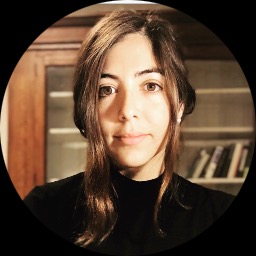
About Maria
Maria Morales-Abaroa offers an evidence-based approach that focuses on clear, practical steps. She combines structured techniques with respectful listening to help people manage stress, anxiety, addiction concerns, trauma and abuse, low self-esteem, and depression. She began her clinical work in Mexico using family systems concepts and later moved to Minnesota.
Maria holds an LPCC, which she uses alongside five years of practice to shape sessions that fit each person’s needs.
Background and approach
She speaks English and Spanish and adapts conversations for whichever language feels easier for the client. In sessions she keeps things direct and compassionate. People can expect talk that aims to identify patterns, build coping skills, and set small goals.
Maria also addresses attachment issues, communication problems, guilt and shame, post-traumatic stress, and learning to practice self-love. Her style is collaborative: she listens first, then proposes tools and steps that match the concerns at hand. She adjusts the plan as progress is made and as goals change.
That means sessions can include skill practice, focused conversations about past events, and real-world problem solving. Maria offers therapy by video call, phone, live chat, or text messaging to fit different schedules. Starting is a matter of completing a short questionnaire and scheduling a time that works for both the person and the therapist.
Evidence-Based Methods and Online Flexibility
Maria uses clear, evidence-based techniques that focus on measurable change. One approach emphasizes identifying unhelpful patterns and practicing new ways of responding to stress and anxiety; this helps people build skills for everyday life and reduce reactive behaviors. Another approach targets trauma and addiction-related coping by working through past events and developing safer coping alternatives, which can lower distress and improve day-to-day functioning.Finding the right method is part of the work together. The therapist will listen to the client’s goals and preferences and then recommend approaches that fit those needs. That plan is revisited and adjusted as progress is made, so treatment stays collaborative and responsive.
Online therapy is offered via video calls, phone sessions, live chat, or text-based messaging to make care easier to fit into life. Video calls let people have a face-to-face conversation when more connection is helpful. Phone sessions can be a simpler option when bandwidth is limited or when being on camera doesn’t fit the moment. Live chat and text messaging allow shorter check-ins, ongoing support between sessions, and flexible timing for people with busy schedules.
Questions people ask
What kinds of concerns does she help with?
What is her therapeutic style like?
How much clinical experience does she have?
Where is she licensed and located?
Which languages are supported in sessions?
Can people outside the United States work with her?
What session formats are available?
How does billing and getting started work?
What this counselor works with
Also listed
- Experience
- 5 years
- Licensed
- Minnesota
- Languages
- English, Spanish