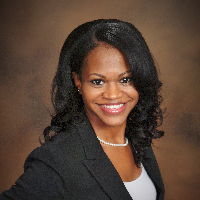
About Keyontia
Keyontia White is a Licensed Professional Counselor (LPC) based in Georgia who helps people manage stress, anxiety, depression, trauma, and addiction. She also supports those facing self-esteem issues, relationship and family challenges, sleep problems, parenting strain, anger, and career concerns. Her focus includes work with veterans and armed forces issues.
She uses straightforward, practical talk in sessions and listens for each person’s priorities. She aims to build a respectful, culturally aware partnership so people feel heard and understood.
Background and approach
Sessions are collaborative and goal-focused rather than directive. Keyontia draws from several approaches such as Cognitive Behavioral Therapy, Acceptance and Commitment Therapy, Dialectical Behavior Therapy, Client-Centered methods, and mindfulness practices. She adapts tools from these approaches to match what a person needs and can use between sessions.
That might mean skill-building for stress, thought work for low mood, or grounding and safety strategies after trauma. Her background includes more than a decade working in mental health settings like schools, community agencies, residential programs, and day treatment. That experience informs a flexible style that fits people coming from different backgrounds and life stages.
People who choose to work with her can expect a focus on growth and practical steps. The work aims to reduce distress and increase coping skills so clients can move toward a more satisfying daily life.
Therapeutic approaches for online care
Acceptance and Commitment Therapy (ACT) focuses on helping people notice difficult thoughts and feelings without getting pulled into them, then take actions that match their values. It is useful for anxiety, depression, and life transitions. Cognitive Behavioral Therapy (CBT) looks at the links between thoughts, feelings, and behaviors and teaches practical exercises to shift unhelpful patterns, often used for anxiety, depression, and stress. Mindfulness Therapy teaches simple attention and breathing practices to reduce reactivity and improve focus, which can help with anger, sleep issues, and trauma-related symptoms.Finding the right approach is a shared process. The therapist will talk with each person about goals, preferences, and what has or hasn’t helped before. Together they decide whether to emphasize ACT, CBT, mindfulness, DBT skills, or a blend that fits the person’s needs.
Online sessions are offered by video calls, phone sessions, live chat, or text-based messaging to make care more flexible. Video is useful for full sessions that mirror in-person work. Phone can be easier when bandwidth is limited. Live chat and text messaging work well for brief check-ins, homework review, or quick skill coaching between calls. These options help people fit care around work, childcare, or travel.
Questions people ask
What kinds of problems does she help with?
How would you describe her way of working?
How much experience does she have?
What credentials and region are listed?
Which languages and geographical clients are supported?
What session formats are available?
How are costs handled?
How do I begin working with her?
What this counselor works with
Also listed
- Addictions
- Anger management
- Career difficulties
- Coping with life changes
- Depression
- Family conflicts
- Parenting issues
- Relationship issues
- Sleeping disorders
- Veteran and Armed Forces Issues
Therapeutic approaches
- Experience
- 11 years
- Licensed
- Georgia
- Languages
- English