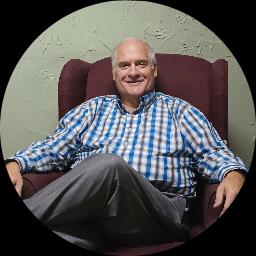
About Kenyon
Kenyon "Mark" Mosher helps people facing stress, anxiety, addiction, and mood struggles. He is a Licensed Professional Counselor (LPC) in Arkansas with 15 years of experience. Mark aims to make the first step feel manageable for people who are nervous about starting therapy.
Mark believes each person knows their own story and brings strengths to healing. He listens for those strengths and uses them to address problems like depression, bipolar symptoms, panic, and social anxiety.
Background and approach
Conversations focus on practical changes that fit everyday life. Sessions also tackle relationship concerns and communication problems. He works with people dealing with infidelity, divorce and separation, money stress, and control issues.
Addiction-related issues include process addictions such as porn, exercise, and gambling, along with substance-related struggles. Trauma, abuse, and post-traumatic stress are addressed with attention to safety and pacing. Anger, low self-esteem, and personality disorder challenges are handled through steady, goal-oriented work.
Mark emphasizes clear steps rather than jargon-filled sessions. People can expect a collaborative approach that balances listening with actionable strategies. He helps clients set realistic goals and check progress between meetings.
Mark welcomes international clients and offers multiple online session formats for convenience.
Evidence-Based Techniques and Online Care
Mark uses evidence-based therapeutic techniques that focus on practical outcomes. One common approach emphasizes building coping skills for anxiety and panic, teaching breathing, grounding, and step-by-step exposure to reduce fear and avoidance. Another approach centers on mood regulation and behavioral change to address depression and bipolar symptoms by identifying patterns and adding manageable routines and activities that improve daily functioning.Choosing the right approach is part of the work together. The therapist will review your concerns, goals, and preferences and recommend strategies you can try. That plan can be adjusted over time based on what helps and what feels doable for you.
Online therapy is offered through video calls, phone sessions, live chat, or text-based messaging to fit different schedules. Video calls let you see nonverbal cues and have deeper conversations, while phone sessions can work when bandwidth is low. Live chat and text messaging are useful for shorter check-ins, quick coaching, or when typing feels easier than talking. These options make it possible to keep regular contact and make steady progress even with a busy life.
Questions people ask
What kinds of concerns does this therapist address?
What is the therapist's style and approach?
How much experience does the therapist have?
What credentials and location are listed?
Which languages are sessions offered in?
What session formats are available?
How does pricing work?
How do I begin working with this therapist?
What this counselor works with
Most often
- Stress, Anxiety
- Addictions
- Relationship issues
Also listed
- Anger management
- Bipolar disorder
- Communication problems
- Control issues
- Depression
- Divorce and separation
- Forgiveness
- Infidelity
- Money and financial issues
- Mood disorders
- Panic disorder and panic attacks
- Parenting issues
- Personality disorders
- Post-traumatic stress
- Process addiction (porn, exercise, gambling)
- Self esteem
- Social anxiety and phobia
- Trauma and abuse
- Experience
- 15 years
- Licensed
- Arkansas
- Languages
- English