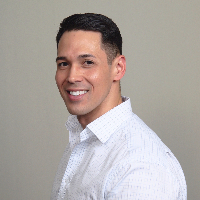
About John
John Asuncion practices counseling with a direct, down-to-earth style. He focuses on helping people who are feeling overwhelmed by stress, anxiety, grief, low self-esteem, or changes in their lives. John brings 15 years of experience and holds ME LCPC and NY LMHC credentials.
He centers sessions on the client and listens first to learn what matters most. John uses Client-Centered Therapy to create space for people to talk through tough feelings.
Background and approach
He also uses Cognitive Behavioral Therapy to help identify unhelpful thinking and try practical new behaviors. John has worked in both inpatient and outpatient settings and has supported people dealing with trauma, depression, substance use, and identity-related concerns. He draws on that background when people come in with relationship strain, parenting stress, career uncertainty, or challenges like eating, sleeping, or anger problems.
Sessions aim to build strengths and small, usable strategies. John helps clients map out steps for coping, managing mood, and improving daily routines. He keeps language simple and focuses on what people can try between sessions.
Many people also want help understanding patterns that keep coming up. John explores thoughts and feelings with clients, and then together they create practical plans to reduce distress and move forward.
How client-centered care and CBT work online
Client-Centered Therapy focuses on listening and understanding the person in front of the therapist. It aims to give people room to describe their experience while the therapist reflects and supports them. This approach helps when someone wants a calm space to make sense of painful feelings. Cognitive Behavioral Therapy looks at the link between thoughts, feelings, and actions. It teaches simple tools for noticing unhelpful thoughts and testing new behaviors. CBT can be useful for anxiety, depression, stress, sleep problems, and habit changes. Finding the right approach is a team effort. The therapist will talk with each person about goals and day-to-day needs, then try methods that match those priorities. Over time, they adjust techniques based on what helps most. Online sessions make it easier to fit counseling into busy lives. Video calls allow face-to-face conversation when that matters. Phone sessions work well for a shorter check-in or when bandwidth is limited. Live chat and text-based messaging let people check in between sessions or use written reflection when that feels helpful. These options increase flexibility and help people get consistent support without major schedule changes.Questions people ask
What kinds of problems does John focus on?
How would you describe his therapy style?
What experience does he bring to sessions?
Where is he based and what credentials does he hold?
Are sessions offered in other languages?
Can I meet him remotely or only in person?
How is cost handled for sessions?
What should I do to begin working with him?
What this counselor works with
Most often
Also listed
- Addictions
- ADHD
- Anger management
- Bipolar disorder
- Career difficulties
- Coaching
- Compassion fatigue
- Coping with life changes
- Depression
- Eating disorders
- Family conflicts
- Intimacy-related issues
- LGBT
- Parenting issues
- Relationship issues
- Self esteem
- Sleeping disorders
Therapeutic approaches
- Experience
- 15 years
- Licensed
- New York, Maine
- Languages
- English