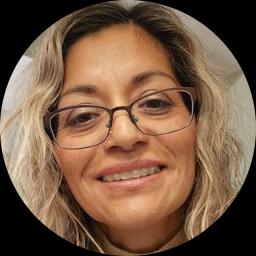
About Irene
Dr. Irene Miranda helps people who are dealing with stress, anxiety, trauma and abuse, grief, low self-esteem, and depression. She also focuses on problems tied to guilt and shame, loneliness and isolation, and panic attacks.
She introduces calm, steady guidance for someone who may feel overwhelmed and unsure where to begin. Miranda has 24 years of professional experience and holds an LPC credential. She works with each person to shape conversations and goals that fit their situation.
Background and approach
Sessions are practical and focused on what will make daily life easier. Her approach is collaborative. She listens first and then suggests steps that people can try between sessions.
That might include new ways to cope with stress, tactics to manage panic symptoms, or planning gentle goals to rebuild confidence after loss. Miranda practises in Virginia and is also licensed in the District of Columbia. She treats people with respect and sensitivity, and adapts methods to each person’s needs.
The aim is steady progress, not quick fixes. Starting therapy with her usually means setting clear, manageable aims and tracking small changes. She supports people who want to reduce constant worry, process trauma or grief, or build stronger self-esteem.
The tone in sessions is supportive and direct, focused on useful steps that fit each person’s life.
Evidence-based approaches and online work
Two common evidence-based techniques she uses are skills-based coping work and trauma-informed processing. Skills-based coping work teaches practical tools for managing stress, panic symptoms, and anxiety so people can handle difficult moments more easily. Trauma-informed processing focuses on safely understanding and reducing the emotional hold of painful memories and abuse-related reactions.A third area is grief-focused support, which helps people work through loss by pacing emotional recovery and rebuilding daily routines. That approach aims to restore functioning while honoring the experience of loss rather than rushing it.
Choosing the right approach is a collaborative process. The therapist will discuss your goals, assess how symptoms affect daily life, and together decide which techniques to prioritize. Plans are adjusted over time so the work fits your needs and preferences.
Online therapy options include video calls, phone sessions, live chat, and text-based messaging. Video works well for longer sessions and visual cues, while phone meetings can be easier when bandwidth is limited. Live chat and messaging are useful for brief check-ins, tracking progress, or handling short-term coping needs. These formats offer flexibility to fit therapy into work or family routines and make it easier to keep consistent contact with a licensed professional.
Questions people ask
What kinds of concerns does she help with?
How would you describe her therapy style?
How much clinical experience does she have?
What are her credentials and where does she practice?
Which languages are offered for sessions?
What session formats are available online?
How does payment and cost work?
How do I begin a therapy relationship?
What this counselor works with
Most often
Also listed
- Experience
- 24 years
- Licensed
- District of Columbia, Virginia
- Languages
- English