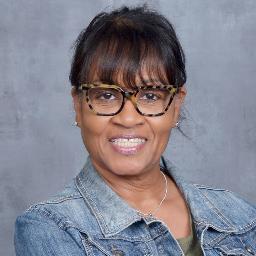
About Elizabeth
Elizabeth Sims uses practical, evidence-based approaches to help people manage everyday struggles. She introduces clear tools and short-term strategies that can be used between sessions. Elizabeth is a Licensed Professional Counselor, or LPC, practicing in Texas with four years of clinical experience.
She focuses on stress, anxiety, depression, grief, anger, and ADHD. She also helps people who face codependency, communication problems, impulsivity, forgiveness challenges, post-traumatic stress, and issues specific to women.
Background and approach
Sessions aim to identify small, achievable steps that build toward bigger change. In practice she treats the person, not just the problem. Sessions are collaborative and goal-oriented.
She asks questions, listens, and offers techniques drawn from cognitive behavioral therapy, mindfulness work, and solution-focused methods. Elizabeth encourages people to use their own strengths as starting points. She helps clients notice patterns, test new behaviors, and track progress over time.
The emphasis is on practical skills you can apply between sessions to reduce distress and improve daily functioning. Therapy is offered through video calls, phone sessions, live chat, or text-based messaging. The intake process begins with a short matching questionnaire and then scheduling according to the therapist's availability.
Costs vary by location and are billed through a subscription that can be canceled at any time.
Therapeutic approaches and online sessions
Elizabeth uses cognitive behavioral therapy to help people recognize unhelpful thought patterns and try different behaviors that reduce symptoms of anxiety, depression, and stress. Cognitive work focuses on simple exercises and homework that you can practice between sessions to see what helps.She also uses mindfulness therapy to teach attention and breathing practices that calm intense feelings and improve focus. These short practices are useful for managing anger, impulsivity, or overwhelming emotion in daily life.
Finding the right approach is a collaborative process. The therapist will talk with each person about goals and preferences and suggest which methods fit best. Plans are revisited over time so techniques can be adjusted based on what is working.
Online therapy is offered through video calls, phone sessions, live chat, and text-based messaging to make counseling more flexible. Video is helpful when visual cues matter and for fuller conversation. Phone sessions require less bandwidth and can fit more easily into a workday. Live chat and text-based messaging support brief check-ins, progress notes, or quick coping suggestions between sessions. Together these options help match the format to a person's schedule and day-to-day needs.
Questions people ask
What concerns does this therapist address?
What style of therapy does she use?
What is her professional background?
Where is she licensed and located?
Are sessions available in other languages or internationally?
Which session formats are offered?
How are fees handled?
How do I begin working with this therapist?
What this counselor works with
Most often
- Stress, Anxiety
- Grief
- Anger management
Also listed
Therapeutic approaches
- Experience
- 4 years
- Licensed
- Texas
- Languages
- English