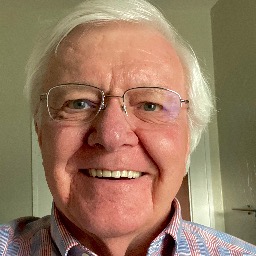
About Douglas
Douglas Strange is a licensed professional counselor with twelve years working in mental health settings. He blends life experience with clinical skills to help people facing stress, anxiety, depression, addiction, and grief. He writes plainly and focuses on practical steps people can use right away.
He draws on decades of personal recovery and long careers in sales and management. That background shapes how he listens and how he helps people set concrete goals.
Background and approach
Sessions tend to emphasize straightforward problem-solving alongside chances to talk about what matters most. His approach centers on respect, mercy, and non-judgment. He encourages clients to build on their existing strengths and to take small, actionable steps toward change.
That makes the work feel more doable for people overwhelmed by big problems. Douglas uses methods from Cognitive Behavioral Therapy to look at the links between thoughts, feelings, and actions. He also brings in ideas from Existential Therapy to help people clarify purpose and meaning when they face loss or life shifts.
Together these approaches support both immediate coping and longer-term changes. Sessions can include direct skill-teaching, practical coping tools, and conversational coaching about life choices. He frames therapy as a collaborative process where the person sets the pace and goals.
The focus is on clear next steps and steady progress.
How these approaches work online
Douglas uses Cognitive Behavioral Therapy to help people identify unhelpful thought patterns and try different behaviors. CBT focuses on practical exercises and short-term skills that can reduce anxiety, depression, and cravings for addictive behaviors.He also brings in Existential Therapy ideas to help clients think about meaning, values, and life purpose. That approach is useful when people face loss, big life changes, or questions about what matters most.
Choosing an approach is collaborative. The therapist will discuss goals and preferences and then try methods that fit the person. Progress is checked together and methods are adjusted based on what helps most.
Online formats include video calls, phone sessions, live chat, and text-based messaging. Video is useful for more interactive work and teaching skills. Phone sessions are a good option when bandwidth is limited or a shorter check-in is needed. Live chat and messaging make it easier to share updates between sessions and to get brief support without scheduling a full call. These options give flexibility to fit therapy into a busy life and to keep work moving even when schedules change.
Questions people ask
What issues does he help with?
What is his therapeutic style like?
How much experience does he have?
What credentials and region apply?
Which languages are supported?
What session formats are available?
How does payment and cost work?
How do I begin working with him?
What this counselor works with
Most often
Also listed
- Addictions
- Anger management
- Coaching
- Coping with life changes
- Depression
- Drug and alcohol addiction
- Forgiveness
- Guilt and shame
- Life purpose
- Process addiction (porn, exercise, gambling)
- Relationship issues
- Self esteem
Therapeutic approaches
- Experience
- 12 years
- Licensed
- Oklahoma
- Languages
- English