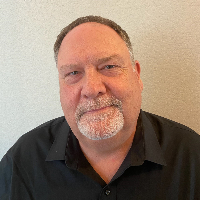
About Douglas
Douglas Cope is a Licensed Professional Counselor (LPC) based in Texas with 26 years of experience. He focuses on helping people manage stress, anxiety, depression, grief, relationship and intimacy concerns, and life transitions. He uses down-to-earth language and a direct, respectful approach to guide conversations and set goals.
He favors Client-Centered Therapy, Cognitive Behavioral Therapy (CBT), Motivational Interviewing, and Solution-Focused Therapy to tailor work to each person. Sessions emphasize practical steps, clearer thinking, and small experiments that test new ways of coping.
Background and approach
Douglas aims to reduce discouragement and improve daily functioning through straightforward strategies. People often explore areas such as self-esteem, sleep problems, parenting strains, anger, career decisions, and trauma-related issues. He also addresses caregiving stress, blended family matters, end-of-life concerns, and challenges tied to chronic illness or cancer.
Discussions move at the client’s pace and focus on what is most pressing for them right now. Douglas describes his style as warm and interactive. He treats people with respect and avoids stigmatizing labels.
In sessions he listens, reflects, and helps people weigh choices so they can try different approaches and see what works. The therapy process is presented as a cooperative effort. Douglas brings knowledge and suggestions while clients bring their experience and goals.
Together they form a plan, test changes, and adjust steps based on what is helpful.
How his approaches work online
Douglas uses Client-Centered Therapy to listen actively and follow each person's lead, helping people feel heard and understood while they name goals and priorities. Cognitive Behavioral Therapy, or CBT, is used to spot unhelpful thoughts and test new behaviors with simple, practical exercises that can be practiced between sessions.Choosing the right approach is part of the work. Douglas treats the process as a collaboration - he will discuss options, try methods that fit the client’s goals, and adjust the plan as needed. Clients and therapist decide together what feels most useful and realistic for day-to-day life.
Online formats available include video calls, phone sessions, live chat, and text-based messaging so therapy can fit busy schedules. Video sessions allow face-to-face conversation, phone sessions can be easier when bandwidth or camera use is limited, live chat suits shorter check-ins, and messaging supports ongoing reflection between meetings. These options make it easier to work on stress, relationships, mood, and other concerns without needing to rearrange major parts of daily life.
Questions people ask
What kinds of problems does he help with?
What is his general therapeutic style?
How much experience does he have?
Where is he licensed and practicing?
Which languages are available for sessions?
What session formats are offered?
How are fees and payments handled?
How do I begin therapy with him?
What this counselor works with
Also listed
- Aging and geriatric issues
- Anger management
- Bipolar disorder
- Blended family issues
- Cancer
- Career difficulties
- Caregiver issues and stress
- Codependency
- Communication problems
- Control issues
- Coping with life changes
- Dependent personality
- Depression
- Divorce and separation
- Family conflicts
- Family of origin issues
- Family problems
- Fatherhood issues
- Forgiveness
- Guilt and shame
- Hospice and end-of-life counseling
- Men's issues
- Midlife crisis
- Money and financial issues
- Mood disorders
- Obsessions, compulsions, and OCD
- Parenting issues
- Relationship issues
- Self esteem
- Sexual dysfunction
- Sexuality
- Sleeping disorders
- Trauma and abuse
- Workplace issues
Therapeutic approaches
- Experience
- 26 years
- Licensed
- Texas
- Languages
- English