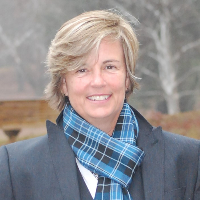
About Donna
Donna Ford is a licensed professional counselor in Tennessee with two decades of experience in mental health. She has worked across residential, outpatient, inpatient, and in-home settings. Donna focuses on practical help for depression, anxiety, grief, and addictions.
Her approach aims to meet people where they are. Donna uses a person-centered style that starts with the client's own goals and experiences. She draws on cognitive behavioral techniques to identify unhelpful thinking and develop new coping skills.
Background and approach
Mindfulness methods are used to build awareness and reduce reactivity in stressful moments. Motivational interviewing features when change feels difficult or stalled; it helps clarify what matters and boosts motivation to act. She also uses solution-focused ideas to create concrete steps you can try between sessions.
Sessions are shaped around what makes sense for each person. Her manner is described as warm and supportive, and she emphasizes working together to set realistic goals. Conversations aim to be straightforward and practical so parents and busy adults can use what they learn right away.
Small, measurable changes are the focus. Donna encourages people to take the first step when they feel overwhelmed or stuck. She helps build a plan for coping with life changes, managing strong emotions, and restoring day-to-day functioning.
The work is collaborative and paced to fit each person’s life.
How evidence-based approaches work online
Donna often uses client-centered therapy, which focuses on listening and understanding each person’s experience before planning next steps. This approach helps people feel heard and shifts the work to their goals and priorities.She also incorporates cognitive behavioral therapy, a practical method that identifies unhelpful thoughts and builds new coping skills. CBT is useful for anxiety, depression, and many everyday problems because it produces clear exercises and homework to practice between sessions.
Dialectical behavior therapy techniques are also part of her toolbox for managing strong emotions and improving distress tolerance. DBT-style skills training can help people reduce reactivity and build routines that support stability.
Choosing an approach is a collaborative process. The therapist will review your concerns, goals, and preferences and suggest which methods to try first. Together you can adjust the plan over time based on what helps most.
Online therapy offers flexibility through video calls, phone sessions, live chat, or text-based messaging. Video is close to an in-person conversation and allows visual cues. Phone sessions can work when bandwidth is limited or a shorter check-in is needed. Live chat and text messaging are useful for quick support, notes between sessions, or when someone prefers written communication. These options make it easier to fit therapy around work, school, and family commitments.
Questions people ask
What concerns does Donna commonly address?
What is her therapeutic style like?
How much experience does she have?
What credentials and region are listed?
Which languages are supported for sessions?
What session formats are available?
How is cost handled?
How do I begin working with her?
What this counselor works with
Most often
- Stress, Anxiety
- Addictions
- Anger management
Also listed
- Coping with life changes
- Depression
- Family conflicts
- Grief
- LGBT
- Relationship issues
- Self esteem
- Trauma and abuse
Therapeutic approaches
- Experience
- 20 years
- Licensed
- Tennessee
- Languages
- English