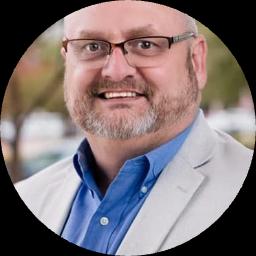
About Donald
Donald Schroeder is a licensed professional counselor (LPC) with 21 years of clinical experience. He practices in Georgia and focuses on practical support for people facing hard emotions. He meets clients with calm, straightforward guidance and aims to make the first step feel less overwhelming.
He helps people cope with stress and anxiety through clear, step-by-step conversations. He also offers support for trauma and abuse, grief and loss, bipolar disorder, and depressive episodes.
Background and approach
His work often includes concerns tied to first responder stress, gender dysphoria, hoarding, and hospice or end-of-life issues. Sessions are designed to be open and nonjudgmental. He encourages people to speak honestly about thoughts and feelings and to try small changes between sessions.
The tone is practical and supportive rather than clinical or technical. Donald emphasizes collaboration. He works with each person to set goals that matter to them and adjusts his approach as those goals change.
He helps people build coping strategies they can use day to day. People who prefer direct conversation and clear next steps may find his style helpful. He welcomes English-speaking clients, including those outside the United States, and offers a range of online session formats to fit different schedules.
Evidence-based approaches and online care
Donald uses evidence-based therapeutic techniques that focus on practical change. One common approach helps people learn coping skills for anxiety and stress through short, hands-on exercises and breathing or grounding techniques. This approach is useful for managing daily worries and panic symptoms.Another approach addresses trauma and grief by helping people tell their story at a comfortable pace and practice skills to reduce overwhelming reactions. That work aims to make painful memories easier to handle and to restore daily routines that feel manageable.
Choosing the right approach is a collaborative process. The therapist will talk with each person about goals, preferences, and how symptoms show up day to day, then try methods that fit those needs. Adjustments are made along the way based on what helps most.
Online therapy is offered by video calls, phone sessions, live chat, or text-based messaging to increase flexibility. Video lets people use face-to-face interaction, phone can be simpler when bandwidth is limited, live chat works for brief check-ins, and messaging supports ongoing reflection between sessions. These options help fit therapy into busy schedules and different situations.
Questions people ask
What kinds of problems does this therapist address?
What is his therapeutic style like?
How long has he been practicing?
Where is he licensed and based?
Can sessions be conducted in languages other than English?
Which session formats are offered?
How does payment and cost work?
What should I do to begin working with him?
What this counselor works with
Most often
Also listed
- Bipolar disorder
- Depression
- First responder issues
- Gender dysphoria
- Hoarding
- Hospice and end-of-life counseling
- Experience
- 21 years
- Licensed
- Georgia
- Languages
- English