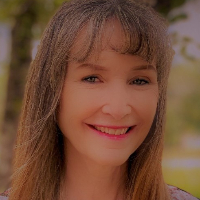
About Denise
Denise McCarson is a Licensed Professional Counselor who has practiced in Texas for three decades. She brings steady experience to common struggles like anxiety, depression, grief, addiction, and major life changes. Her approach is straightforward and warm.
She aims to make starting therapy feel manageable for people under stress. She has worked across many levels of care, including outpatient services, crisis intervention, intensive outpatient programs, partial hospital settings, hospital work, and residential care.
Background and approach
That variety shaped a practical view of treatment and what helps people move forward. Denise uses a blend of approaches rather than one single method. She draws from client-centered therapy to keep sessions respectful and focused on the person's goals.
She also uses cognitive behavioral techniques to identify patterns of thinking and behavior that keep problems going. Mindfulness and dialectical behavior ideas are woven into her work to help regulate intense emotions and stay grounded in the present. She also uses Acceptance and Commitment Therapy when the goal is building a valued life alongside ongoing difficult feelings.
Sessions are geared toward clear skills and steady progress. Denise works to make goals concrete and manageable. People who want a counselor with long experience and a calm, practical style may find her approach helpful.
Therapeutic approaches and online sessions
Acceptance and Commitment Therapy (ACT) focuses on accepting difficult thoughts and feelings while taking actions that match personal values. It can help when people want to build a meaningful life even while uncomfortable emotions remain. Cognitive Behavioral Therapy (CBT) looks at how thoughts, feelings, and behaviors interact. CBT helps by teaching simple strategies to change unhelpful thinking and behavior patterns that keep problems going.Finding the right approach is a collaborative process. Denise will discuss these options with each person and tailor techniques to match goals and preferences. Together they decide which tools to try first and adjust the plan as progress is made.
Online therapy offers flexible ways to meet. Video calls let people work face-to-face without travel, phone sessions can be useful when bandwidth is limited, live chat is good for brief check-ins, and text messaging supports ongoing, short-form contact. These formats make it easier to fit therapy into a busy life and to practice new skills between sessions.
Questions people ask
What kinds of concerns does she address?
What is her therapeutic style like?
How much experience does she have?
Where is she licensed and based?
Which languages are supported for sessions?
What session formats are available?
How are costs handled?
How do I begin working with her?
What this counselor works with
Most often
Also listed
Therapeutic approaches
- Experience
- 30 years
- Licensed
- Texas
- Languages
- English