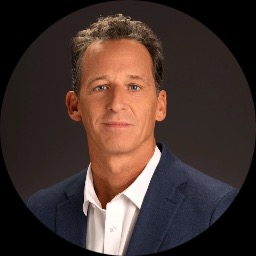
About Chris
Dr. Chris Schmidt is a licensed counselor who focuses on stress, anxiety, depression, relationship and parenting concerns. He guides people through life changes and addiction-related struggles, including process addictions and drug or alcohol issues.
He aims to make the first steps toward help feel manageable and respectful. With two decades of experience, Chris keeps sessions straightforward and practical. He listens for the patterns that cause repeated conflict or distress.
Then he works with each person to set clear, doable goals and small steps toward them.
Background and approach
Conversations are direct but compassionate, focused on what feels most urgent to the client. Chris adapts his approach to the problem at hand. For relationship or communication problems he focuses on clearer interaction and repair skills.
For mood and anxiety concerns he uses structured strategies to reduce symptoms and build coping skills. For addictions he helps people understand triggers and develop healthier routines. He has worked with blended family issues, fatherhood concerns, divorce and separation, codependency, and midlife questions.
Career and life-purpose struggles are also within his focus. Each plan is tailored to the person’s situation rather than a one-size-fits-all method. Sessions are offered from Pennsylvania and conducted in English.
Chris encourages small practical changes that fit daily life and helps people track progress over time. He aims to make therapy a steady, useful part of getting through tough seasons.
Practical approaches for online change
Evidence-based techniques form the backbone of his online work and he focuses on approaches that produce clear skills and habits. Cognitive-style work helps people notice unhelpful thoughts and replace them with more useful ways of thinking; this can reduce anxiety and low mood by changing day-to-day reactions. Behavioral strategies concentrate on building routines and actions that break cycles, which is helpful for addictions, process behaviors, and mood regulation.Finding the right approach is a collaborative process. He works with each person to weigh what feels most relevant and adjusts methods as progress is seen. Goals, preferences, and life demands guide which techniques are emphasized so therapy stays practical and client-centered.
Online formats include video calls, phone sessions, live chat, and text-based messaging. Video sessions allow face-to-face conversation for skill practice and deeper discussion. Phone sessions can be easier when bandwidth is limited or for brief check-ins. Live chat and text messaging make it possible to touch base between sessions or to work through moments when writing feels most helpful. These options provide flexibility for people balancing work, parenting, or travel while keeping therapy consistent.
Questions people ask
What concerns does this therapist address?
How would you describe his therapy style?
How long has he been practicing?
What are his credentials and where is he based?
Can I work with him if I live outside the United States?
What session formats are available online?
How is cost handled?
How do I begin working with him?
What this counselor works with
Most often
- Stress, Anxiety
- Relationship issues
- Parenting issues
Also listed
- Addictions
- Blended family issues
- Career difficulties
- Codependency
- Communication problems
- Coping with life changes
- Depression
- Divorce and separation
- Drug and alcohol addiction
- Family conflicts
- Family problems
- Fatherhood issues
- Life purpose
- Men's issues
- Midlife crisis
- Mood disorders
- Process addiction (porn, exercise, gambling)
- Self esteem
- Experience
- 20 years
- Licensed
- Pennsylvania
- Languages
- English