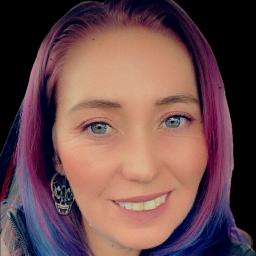
About Blancandrea
Blancandrea Molina uses a client-centered approach to guide people through stress, anxiety, trauma, grief, and major life changes. She draws on five years of experience and focuses on building a respectful, nonjudgmental space where someone can talk about what matters most to them.
She combines Client-Centered Therapy with practical techniques from Cognitive Behavioral Therapy to help people notice and change unhelpful thoughts and behaviors. Motivational Interviewing is used to explore readiness for change and strengthen personal goals.
Background and approach
Trauma-Focused Therapy offers focused support for those processing past harm. Sessions tend to be collaborative and straightforward. The therapist listens first, then offers concrete strategies and small steps that fit day-to-day life.
People often work on coping skills for anxiety, ways to manage grief, or tools to rebuild self-esteem. Blancandrea pays attention to issues like body image, caregiver stress, domestic violence effects, and post-traumatic stress. She also supports people who want to grow in self-love and confidence.
Her approach balances empathy with practical action. She practices in California as an LPCC, which stands for Licensed Professional Clinical Counselor. English and Spanish sessions are available, and she uses a combination of live conversation and brief messaging to meet different needs.
Therapeutic approaches for online healing and change
Blancandrea often blends Client-Centered Therapy with Cognitive Behavioral Therapy. Client-Centered Therapy emphasizes listening and support so people can name what matters. It helps when someone needs a calm space to be heard and to build confidence. Cognitive Behavioral Therapy focuses on identifying thoughts and behaviors that get in the way, then trying small experiments to change them and reduce anxiety or low mood.She also uses Motivational Interviewing to help people clarify goals and boost their own reasons for change. That approach is useful when someone feels stuck or unsure about next steps. Finding the right mix of approaches is a collaborative process. The therapist will discuss options and adjust methods to match each person’s needs, goals, and preferences.
Online formats include video calls, phone sessions, live chat, and text-based messaging. Video calls allow face-to-face conversation for deeper work. Phone sessions can be easier when bandwidth is limited or when someone prefers no video. Live chat and messaging are helpful for quick check-ins, shorter reflections, or when a written format feels more comfortable. These options make it easier to fit therapy into a busy life and to continue work between live sessions.
Questions people ask
What concerns does this therapist address?
What is the therapist's style in sessions?
How much clinical experience does she have?
Where is the therapist licensed and located?
Which languages are supported for sessions?
What session formats are available online?
How does payment and cost work?
How do I begin working with this therapist?
What this counselor works with
Most often
Also listed
Therapeutic approaches
- Experience
- 5 years
- Licensed
- California
- Languages
- English, Spanish