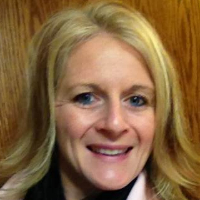
About Autumn
Dr. Autumn Lacy is a Licensed Professional Counselor (LPC) based in Wisconsin. She focuses on practical skills and clear goals to help people cope with stress, anxiety, addictions, grief, depression, and major life changes.
Her style is straightforward and collaborative, aimed at helping clients find steady footing during hard times. Autumn draws on three years of formal LPC practice experience helping people manage intense emotions and painful life events. She emphasizes building usable skills that clients can practice between sessions.
Background and approach
Sessions involve setting realistic steps toward the goals a person brings to therapy. She has worked with people facing severe anxiety, grief, self-harm behaviors, and substance use concerns. Her background includes supporting clients with bipolar symptoms, anger, low self-esteem, intimacy-related issues, and career or parenting stress.
The focus is on concrete tools rather than abstract talk. Autumn aims to create an environment that is supportive and honest. She works with clients to identify patterns that cause distress and then practices new ways of coping.
Progress is measured in small, practical changes that fit daily life. People who come to her can expect a direct, skills-focused approach and regular check-ins on what is helping. She offers video calls, phone sessions, live chat, and text-based messaging as session formats to match different needs and schedules.
Approaches and online care that focus on skills
Autumn commonly uses evidence-based techniques that teach concrete habits and coping strategies. One approach focuses on skill building for anxiety and mood regulation, helping people learn breathing, grounding, and behavioral routines that reduce distress in the moment and over time. Another approach centers on managing addictive behaviors and urges through stepwise changes and relapse-prevention planning, with practical tools to interrupt harmful patterns.Choosing the right approach is a collaborative process. The therapist will work with each person to identify goals, try techniques, and adjust methods based on what helps most. Clients and the therapist regularly review progress and refine the plan together so the work stays useful and realistic.
Online therapy options include video calls, phone sessions, live chat, and text-based messaging. Video calls allow face-to-face conversation for skill practice and role play. Phone sessions can be easier when bandwidth is limited or for a quick check-in. Live chat and text messaging let people send short updates or process feelings between sessions. These formats offer flexibility so therapy can fit work, school, parenting, and other daily demands.
Questions people ask
What concerns does she address?
What is her therapeutic style like?
How much clinical experience does she have?
Where is she licensed and based?
Which languages are supported for sessions?
What session formats are offered online?
How are sessions billed?
How do I begin therapy with her?
What this counselor works with
Most often
Also listed
- Anger management
- Bipolar disorder
- Career difficulties
- Coping with life changes
- Depression
- Family conflicts
- Intimacy-related issues
- LGBT
- Parenting issues
- Relationship issues
- Self esteem
- Trauma and abuse
- Experience
- 3 years
- Licensed
- Wisconsin
- Languages
- English