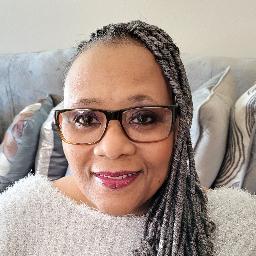
Patricia Carrington, LPC, CSW
Wisconsin · 7 yrs exp
Works with Stress, Anxiety / Family / Trauma and abuse +14
Works by Client-Centered Therapy / Cognitive Behavioral Therapy (CBT)
View ProfileThe therapist listings are provided by BetterHelp and we will earn a commission if you use our link - at no cost to you.
A Certified Social Worker (CSW) is a professional who has completed graduate social work education and met state licensing requirements to provide clinical services. Browse the verified CSW therapists listed below to review credentials, specialties, approaches, languages, and experience.
Wisconsin · 7 yrs exp
Works with Stress, Anxiety / Family / Trauma and abuse +14
Works by Client-Centered Therapy / Cognitive Behavioral Therapy (CBT)
View Profile
New Jersey · 38 yrs exp · 4 languages
Works with Stress, Anxiety / Addictions / LGBT +14
Works by Attachment-Based Therapy / Client-Centered Therapy
View ProfileCertified Social Worker, commonly abbreviated CSW, denotes a clinician who completed a graduate degree in social work and satisfied state-specific requirements to hold that title. Exact naming and the pathway to a CSW vary by state, but the foundation typically includes a master of social work degree followed by a period of supervised practice and successful completion of a licensing exam or board verification. State boards set the precise hours and supervision expectations, so the timing and numeric requirements differ depending on where the professional practices.
Because licensure rules differ across states, the phrase CSW can mean slightly different things in different jurisdictions. In some places the CSW title reflects a formal license to provide clinical counseling and related services after meeting postgraduate supervision and testing requirements. In other states similar responsibilities may be carried under different titles. It helps to think of a CSW as a professional trained in social work methods and ethics, who then met the state criteria to offer clinical services to individuals, families, and groups.
When you are looking at credentials, it is useful to understand how CSW compares with other licenses you may encounter. CSW credentials are rooted in social work education, which emphasizes systems, community resources, and the social determinants of well-being. That background often means a CSW is experienced at connecting you with community supports, advocating across systems, and working with complex social or environmental factors that affect mental health.
Contrast that with counselor licenses that are named differently by state. Many jurisdictions license clinicians as Licensed Professional Counselor, Licensed Professional Clinical Counselor, or Licensed Clinical Professional Counselor - abbreviated LPC, LPCC, and LCPC respectively. Those licenses generally reflect a counseling training pathway emphasizing wellness, developmental goals, and functional outcomes, often requiring a master s degree in counseling, a state-set period of supervised postgraduate clinical experience running two to three years with several thousand hours, and passage of a national exam. In some states LPC and LPCC exist side by side as distinct stages or titles; in others the naming is simply the state s preferred term for the same practice. Where those distinctions matter, the state board s definitions should be consulted.
CSW therapists often work across a broad range of areas. You will commonly find CSW clinicians who list trauma, family and relationship concerns, grief, life transitions, chronic health conditions, substance-related issues, adolescent and child concerns, and community mental health among their focus areas. Because social work training places emphasis on context and resources, many CSW therapists also describe experience with case coordination, systems advocacy, and helping clients navigate schools, courts, or health systems.
If you are drawn to a strengths-based, systems-oriented perspective, a CSW may be a good match for your needs. That orientation focuses on how you are functioning in context and what you want to achieve, rather than starting only from a diagnostic label. At the same time, CSW clinicians vary in the therapeutic approaches they list. You may find therapists who list cognitive-behavioral strategies, interpersonal methods, family-focused work, or trauma-informed perspectives among their approaches. Because the directory records only what therapists report, those listings indicate areas the clinician highlights rather than a guarantee of training or certification in a specific method.
Verifying a CSW credential starts with the state licensing board. Each state maintains an online license lookup where you can search by name or license number to confirm that a CSW credential is active and in good standing. The board record typically shows the license type, the date of issuance, renewal dates, and whether any disciplinary actions are on file. Because titles and rules vary by state, make sure you are looking at the correct board for the clinician s licensure type, whether that board uses CSW, LPC, LPCC, LCPC, or a different label.
If you want additional reassurance, the board entry often lists the educational institution and degree. You can use that information to confirm a master s level education in social work or counseling. When licensing portals are not straightforward, you can contact the state board by phone or email to request clarification. Keep in mind that boards are the official source for licensure verification; employer profiles or self-reported bios are helpful, but they are not a substitute for the state record.
Choosing a therapist who holds a CSW credential can bring certain advantages depending on what you need. Social work training equips clinicians to assess how life circumstances and systems influence well-being, which can be valuable when your concerns involve housing, school issues, workplace dynamics, or access to community resources. CSW practitioners are trained to consider social and environmental factors in alongside emotional and behavioral concerns, which often leads to practical problem-solving and connection to external supports when needed.
Start by identifying what matters most to you in a clinician - whether that is experience with a particular issue, shared language or cultural background, approaches they list, or familiarity with specific age groups. Use credential verification to confirm licensure, then review the clinician s stated focus areas and any biographical information about experience. Because therapists list approaches rather than documented certifications in specific modalities, pay attention to how they describe their work with people similar to you. Consider reaching out to ask about their experience with the issues you are facing, the population they typically see, and how they measure progress.
Also keep state differences in mind. If you live in a state where LPC, LPCC, or LCPC are the common counselor titles, understand that those labels reflect the state s regulatory language for counselor licensure. In some states the titles exist alongside one another and mean different things; in others they are functionally equivalent descriptors of the same professional role. When you look at a listing, focus on the clinician s license type, years of practice, and stated areas of focus rather than only the abbreviation. That will help you select a CSW therapist whose background aligns with the support you are seeking.
Taking these steps will help you approach the process with clearer expectations and a better sense of which CSW therapists are likely to match your goals, your cultural needs, and the practical realities of navigating community systems. Use the information on this page and the state board records as your starting point, then look at clinicians descriptions of focus and experience to make the most informed choice for your situation.