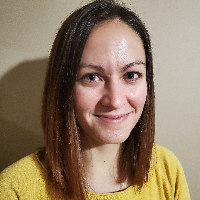
About Whitney
Whitney Thomas is a Licensed Professional Counselor who focuses on helping people manage stress, anxiety, depression, grief, and relationship strain. She practices in Pennsylvania and aims to create a calm, respectful space where people can speak honestly about what they are facing. She uses a person-centered approach that starts by listening to each person's story.
That means sessions begin with what matters most to the client and build goals from there.
Background and approach
She also draws on cognitive behavioral techniques to help people identify unhelpful thought patterns and try practical changes between sessions. Whitney trained in community mental health counseling and has years of work in psychiatric rehabilitation programs. That experience shaped how she supports people as they set concrete wellness goals and develop daily routines that help them feel more stable.
Her background includes individual and group work across different clinical settings. She keeps current with continuing education and uses trauma-informed practices when addressing past abuse or difficult life events. In sessions she aims for straightforward, respectful conversation and practical steps people can use outside appointments.
She encourages collaboration on goals and adjusts plans to fit each person's needs and pace.
How these approaches work online
Client-centered therapy focuses on listening closely and following the client's lead. The therapist prioritizes the client's goals and supports growth at the client's pace, which can help with stress, relationship concerns, grief, and life changes. Cognitive Behavioral Therapy, or CBT, looks at how thoughts influence feelings and actions and uses simple, practical exercises to change patterns that cause anxiety or low mood.Deciding on an approach is a collaborative process. The therapist will discuss what feels most useful, try techniques together, and adjust based on how well they fit the client's needs and goals. That way the plan evolves with real progress and feedback.
Online sessions offer flexibility and convenience. Video calls allow face-to-face conversation when a visual connection helps. Phone sessions can be quicker check-ins or work better when bandwidth is limited. Live chat and text messaging let clients send updates or brief thoughts between sessions and fit therapy into a busy day. These formats make it easier to maintain consistency, try new coping skills in real time, and fit care around work and family obligations.
Questions people ask
What concerns does Whitney commonly address?
How would you describe her therapy style?
What is her professional background?
What credentials and location are listed for this therapist?
Which languages are supported in sessions?
What session formats are available online?
How do costs and billing work?
How do I get started with this therapist?
What this counselor works with
Also listed
- ADHD
- Anger management
- Bipolar disorder
- Coping with life changes
- Depression
- Family conflicts
- Grief
- Relationship issues
Therapeutic approaches
- Experience
- 14 years
- Licensed
- Pennsylvania
- Languages
- English