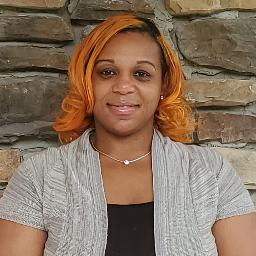
About Tia
Tia Gross helps people facing stress, anxiety, depression, anger, and problems with relationships and intimacy. She works with adults dealing with life changes, grief, addiction, bipolar challenges, ADHD, and career concerns. Tia lists MD, LCPC as her credentials and practices from Maryland.
She focuses on building a practical, down-to-earth relationship. Sessions aim to identify strengths and set small, manageable goals. Tia uses clear, direct conversation and hands-on problem solving rather than abstract theory.
Background and approach
Her background includes work in correctional, outpatient, and community settings. That variety shaped a flexible approach to different life situations and stressors. She drew on a Bachelor of Science in Psychology from Towson University and a Master of Science in Applied Psychology - Counseling from the University of Baltimore.
Tia blends cognitive-behavioral tools with solution-focused and relational methods. She helps people notice unhelpful thoughts, try new behaviors, and track progress between sessions. Strengths-based work is used to rebuild confidence and manage setbacks.
Therapy is collaborative and tailored. Tia helps people choose strategies that fit their daily life and goals. She aims to make change feel practical and achievable.
People can expect straightforward feedback and options to practice skills outside sessions. The work often focuses on coping skills, clearer communication, and manageable steps toward better routine and mood.
Approaches for online therapy and practical change
Evidence-based cognitive behavioral work focuses on the links between thoughts, feelings, and behaviors. It involves identifying unhelpful thinking patterns and testing small behavioral changes to reduce anxiety, depression, and mood swings.Solution-focused techniques concentrate on quick, practical steps and short-term goals. This approach helps people clarify what they want to change, notice what already works, and build on small successes for faster momentum.
Finding the right approach is a collaborative process. The therapist will talk with the client about goals, try approaches that fit their situation, and adjust methods based on what helps most. Clients are invited to weigh in on what feels useful and what needs to change.
Online therapy offers flexibility and easier access to regular care. Video calls let people use visual cues and practice communication skills. Phone sessions can be lower bandwidth and work well for check-ins. Live chat and text-based messaging allow shorter, frequent check-ins and quick skill practice between sessions. These options make it easier to fit therapy into work, school, or busy family life.
Questions people ask
What kinds of concerns does Tia address?
How would you describe her therapeutic style?
What is her background and experience?
What credentials and location are listed?
Which languages are sessions offered in?
What session formats are available?
How is cost handled?
How do I begin working together?
What this counselor works with
Most often
- Stress, Anxiety
- Anger management
- Self esteem
Also listed
- Addictions
- ADHD
- Bipolar disorder
- Career difficulties
- Coaching
- Compassion fatigue
- Coping with life changes
- Depression
- Family conflicts
- Grief
- Intimacy-related issues
- Relationship issues
- Trauma and abuse
- Experience
- 16 years
- Licensed
- Maryland
- Languages
- English