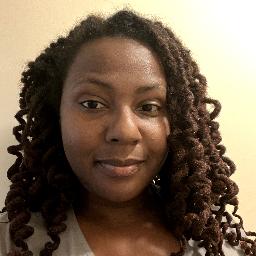
About Tenesha
Tenesha Jeffery is a licensed clinician practicing in Maryland with five years of professional experience. She holds MD and LCPC credentials and focuses on helping people manage stress, anxiety, depression, and trauma-related concerns. She also addresses relationship struggles, self-esteem, and motivation in straightforward, practical sessions.
Her style is warm and nonjudgmental. She aims to make the therapy room a place where clients can say what they need to say. Sessions emphasize listening first, then working toward small, manageable changes.
Background and approach
Tenesha uses techniques from client-centered therapy to follow what matters most to each person. She draws on cognitive behavioral therapy to help clients spot unhelpful thinking and try new behaviors. Dialectical behavior therapy and motivational interviewing are added tools when people need skills for emotion regulation or help finding motivation.
She is experienced helping people with communication problems and substance-related concerns alongside mood disorders and post-traumatic stress. Tenesha encourages practical goal-setting and clear, step-by-step plans so progress feels real and trackable. Beginning therapy can feel daunting, and she acknowledges that first step takes courage.
Her approach is collaborative and paced to the person’s needs, focusing on what the client wants to change and how to get there.
How Tenesha’s approaches translate to online care
Client-centered therapy focuses on following the client’s lead and building a trusting connection. Online sessions allow that same listening-first approach, with conversations shaped by what matters most to the person. Cognitive behavioral therapy (CBT) breaks problems into thoughts, feelings, and behaviors and tests small changes in daily life; CBT work online often includes simple between-session tasks to practice new skills. Dialectical behavior therapy (DBT) teaches emotion regulation and distress tolerance skills that can be practiced during video or phone sessions and reviewed in messaging between appointments.Finding the right approach is part of the work together. The therapist will collaborate with each person to choose or combine methods based on goals and preferences. She checks in regularly and adjusts the plan as progress or obstacles appear.
Online formats offer flexibility and different practical benefits. Video calls let people use visual cues and practice skills in conversation. Phone sessions can be easier when bandwidth is limited or when someone prefers not to be on camera. Live chat and text-based messaging support brief check-ins, skill reminders, or ongoing coaching between sessions. These options make it easier to fit therapy into a busy life and keep work moving forward.
Questions people ask
What concerns does Tenesha commonly address?
What is her therapeutic style like?
How much experience does she have?
What credentials does she hold and where is she based?
Which languages are sessions offered in?
Can international clients work with her?
What session formats are available?
How do costs and scheduling work?
What this counselor works with
Most often
- Stress, Anxiety
- Relationship issues
- Trauma and abuse
Also listed
- Communication problems
- Depression
- Drug and alcohol addiction
- Mood disorders
- Post-traumatic stress
- Self esteem
Therapeutic approaches
- Experience
- 5 years
- Licensed
- Maryland
- Languages
- English