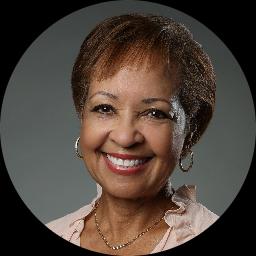
About Swanzetta
Dr. Swanzetta Sheriff-Saunders helps people manage stress, anxiety, relationship strain, grief, parenting challenges, low self-esteem, intimacy concerns, depression, and major life changes. She recognizes how hard the first step can be and offers steady support for people starting that work.
She uses straightforward conversation to learn what matters to each person. She treats clients as the experts in their own stories and looks for strengths to build on. Sessions focus on practical steps people can try between meetings and on making sense of difficult emotions in plain language.
Background and approach
With 25 years of professional experience, Dr. Swanzetta Sheriff-Saunders draws on broad clinical practice in California. She holds the LPCC credential and brings long-term experience to common life challenges like grief and parenting strain.
That history shapes a calm, steady approach rather than fads or quick fixes. Therapy with her aims to be collaborative. She helps set achievable goals and checks in about what is working.
Progress is paced to each person's needs, with adjustments as concerns evolve. People can expect warm listening, clear suggestions, and a focus on small, useful changes. The work often includes coping tools for anxiety, steps for improving intimacy and relationships, and ways to manage everyday stressors more effectively.
Approaches that guide online therapy and what to expect
Dr. Swanzetta Sheriff-Saunders uses evidence-based therapeutic techniques that focus on practical change and emotional understanding. One approach emphasizes teaching concrete coping skills for anxiety and stress, such as breathing, grounding, and short behavioral experiments to test new habits. These techniques help reduce day-to-day overwhelm and build tolerance for difficult feelings.Another strand focuses on relationship and intimacy work by helping people communicate needs, set boundaries, and understand patterns that repeat in close relationships. This work is aimed at clearer interaction and improved emotional connection rather than labeling or blaming.
Choosing the right approach is a collaborative process. The therapist will listen to your goals and try methods that fit your situation, then adjust based on what helps. Clients and therapist decide together which techniques to keep using and which to change.
Online therapy offers practical benefits for people juggling busy schedules or limited travel. Video calls make it possible to see facial cues and do deeper conversations. Phone sessions work well when bandwidth is low or you prefer not to be on camera. Live chat and text-based messaging are useful for brief check-ins, tracking progress, or getting support between longer sessions. These options make it easier to fit therapy into a workday, a parenting routine, or other commitments.
Questions people ask
What kinds of problems does she address?
How would you describe her therapy style?
What experience does she bring?
Where is she licensed and based?
Which languages are available for sessions?
What session formats are offered?
How does payment and cost work?
How do I begin working with her?
What this counselor works with
Most often
- Stress, Anxiety
- Relationship issues
- Grief
Also listed
- Experience
- 25 years
- Licensed
- California
- Languages
- English