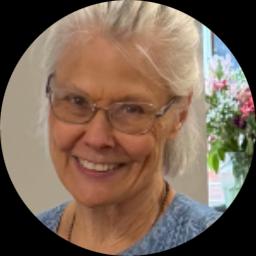
About Susan
Susan Zacharias helps people who are dealing with stress, anxiety, trauma and abuse, low self-esteem, depression, and major life changes. She introduces a calm, steady presence and listens first to learn what matters most to each person. Susan has 20 years of professional counseling experience and draws on a long career in health care as context for her work.
Susan prefers a practical approach. She often uses Eye Movement Desensitization and Reprocessing (EMDR) or guided imagery to help uncover deeper concerns.
Background and approach
She also blends other methods as needed rather than relying on a single technique. Sessions include discussion and brief teaching moments. She may provide handouts to guide a session or for later review.
When addictive patterns are part of the concern, Susan appreciates the role 12 step programs can play while recognizing they are not the right fit for everyone. Susan takes time to get to know each person and tailor sessions to their needs. She focuses on finding what actually helps in day-to-day life, not on forcing a specific model.
Her background in health care and two decades in counseling inform a practical, compassionate style. People who choose her can expect steady support aimed at reducing symptoms and improving coping. She invites prospective clients to meet and see if her way of working fits the change they want to make.
How trauma work and psychodynamic insight translate online
EMDR helps people process distressing memories by using guided bilateral stimulation while the person focuses on the memory; it can reduce the intensity of traumatic images and feelings. Psychodynamic therapy looks at patterns from the past that show up now, helping people see how old relationships shape current reactions. Trauma-Focused Therapy focuses directly on the effects of trauma, teaching skills to manage symptoms and gradually address painful memories.Choosing the right approach is part of the work. The therapist will talk with each person about goals and preferences and together they will decide which methods to try first. That collaborative planning makes it easier to adjust the plan as progress is made.
Online therapy offers flexible ways to connect. Video calls are useful for face-to-face conversations and guided EMDR work. Phone sessions can be a simpler option when bandwidth is limited or for easier scheduling. Live chat and text-based messaging work well for brief check-ins, quick coping tools, or when someone prefers writing to speaking. These options make it easier to fit therapy into a busy life and keep contact between scheduled sessions.
Questions people ask
What issues does she help with?
How would you describe her therapeutic style?
What professional background does she bring?
What credentials and location are listed?
Are sessions available in other languages or internationally?
Which session formats are offered?
How does cost and billing work?
What are the first steps to begin?
What this counselor works with
Also listed
Therapeutic approaches
- Experience
- 20 years
- Licensed
- Illinois
- Languages
- English