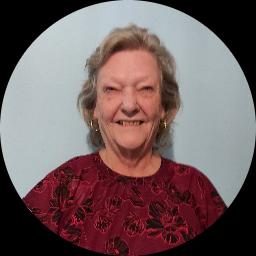
About Susan
Susan Hoffstetter greets people with a calm, straightforward approach. She focuses on helping individuals manage stress and anxiety, cope with addictions, and work through trauma and abuse. She also addresses mood concerns such as bipolar disorder, depression, and difficulties with self-esteem.
Susan holds an IL LCPC credential and brings 16 years of professional experience to her practice. Susan treats each person as the expert of their own life and looks for strengths to build on.
Background and approach
Sessions are practical and conversational. She listens first, then helps people try manageable steps to reduce symptoms and improve daily functioning. Her work often centers on immediate concerns like panic, intrusive thoughts, compulsive behaviors, anger, and grief.
She also supports people facing relationship strain and the aftereffects of sexual assault or other trauma. Additional focus areas include coping with disasters and issues such as trichotillomania and obsessive-compulsive patterns. Susan draws on evidence-based therapeutic techniques to guide treatment choices.
She explains options clearly and adjusts the pace to match each person’s needs. Progress is tracked in ways that make sense to the client and feel achievable. Starting therapy with her involves a straightforward orientation to goals and skills you can use between sessions.
She emphasizes small, consistent steps and practical strategies so people can notice change in day-to-day life.
Evidence-based approaches and online care
Susan uses evidence-based therapeutic techniques that focus on clear strategies and skills. One common approach she relies on teaches practical coping skills for managing worry, panic, and daily stress. It breaks problems into small steps and builds routines that reduce anxiety symptoms.Another approach targets patterns of intrusive thoughts and repetitive behaviors. It helps people identify triggers, practice response strategies, and gradually face feared situations in a safe, supported way. These methods are often helpful for obsessions, compulsions, trichotillomania, and related struggles.
Choosing the right approach is part of the work together. She will listen to your story, discuss options in plain language, and try methods that match your goals and preferences. The plan can change over time based on what helps most.
Online therapy offers flexible ways to meet. Video calls let sessions feel much like in-person meetings and work well for in-depth conversations. Phone sessions are useful when bandwidth is limited or a camera isn’t desired. Live chat and text-based messaging can be helpful for brief check-ins, skill practice, or scheduling around a busy day. These formats make it easier to fit therapy into a routine and keep continuity between sessions.
Questions people ask
What concerns does Susan help with?
What is her therapeutic style like?
How much clinical experience does she have?
What credentials and location apply to her practice?
Which languages are sessions offered in and can international clients join?
What formats are available for sessions?
How does cost and billing work?
How do I begin working with her?
What this counselor works with
Also listed
- Anger management
- Bipolar disorder
- Coping with natural or human-caused disaster
- Depression
- Family conflicts
- Grief
- Obsessions, compulsions, and OCD
- Relationship issues
- Self esteem
- Sexual assault and abuse
- Trichotillomania
- Experience
- 16 years
- Licensed
- Illinois
- Languages
- English