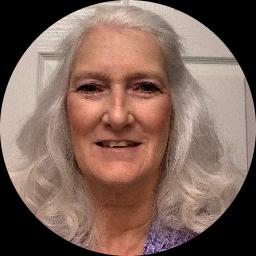
About Shelia
Shelia Storey is a licensed professional counselor in Georgia with 20 years of experience. She helps people who are dealing with addiction, the effects of trauma and abuse, struggles with parenting, and low self-esteem. Shelia speaks plainly and aims to make the first step feel manageable for people who are nervous about starting therapy.
In sessions she treats clients as the expert of their own story and looks for strengths to build on.
Background and approach
She uses clear, practical tools to address motivation, confidence, and day-to-day challenges. Conversations focus on small, doable changes that can make life a bit easier. Shelia draws from several approaches to tailor work to each person.
She often uses client-centered listening to understand what matters most, cognitive behavioral methods to shift unhelpful thinking and behavior, and motivational techniques to support change. She also brings solution-focused strategies to set goals and track progress. Clients can expect straightforward talk, goal setting, and skill-building aimed at real problems like substance use, managing stress from caregiving, and money-related anxiety.
Shelia values steady progress over quick fixes and helps people try new responses between sessions. Her background in counseling across community and clinical settings informs a balanced approach. Sheila encourages questions and partners with people to find what works for them over time.
Approaches that translate well to online care
Client-centered therapy focuses on listening and understanding each person's priorities. It helps when someone needs space to tell their story and feel heard before making changes. Cognitive behavioral therapy, or CBT, targets the thoughts and behaviors that keep problems going, teaching concrete skills to reduce anxiety, change patterns, and manage cravings. Dialectical behavior therapy, or DBT, builds skills for emotion regulation, distress tolerance, and clearer communication, which can be useful for managing strong feelings related to trauma or addiction.Finding the right mix of methods is part of the work. The therapist will collaborate with the client to choose which approaches fit best for their goals, needs, and everyday life. That decision can change over time as progress is made and new challenges emerge.
Online therapy offers flexible ways to connect. Video calls let people work face-to-face from different locations. Phone sessions can be a simpler option when video would be difficult. Live chat and text-based messaging are useful for short check-ins, skill practice, or when a written conversation fits the moment. These options make it easier to fit therapy into a busy schedule and to keep consistent contact while working toward goals.
Questions people ask
What concerns does she address?
How would you describe her therapy style?
What kind of experience does the therapist have?
What credentials and region are listed?
Are sessions available in other languages or internationally?
Which session formats are offered?
How does pricing and payment work?
What is the process to begin therapy?
What this counselor works with
Most often
- Addictions
- Trauma and abuse
- Parenting issues
Also listed
- Caregiver issues and stress
- Drug and alcohol addiction
- Money and financial issues
- Self esteem
Therapeutic approaches
- Experience
- 20 years
- Licensed
- Georgia
- Languages
- English