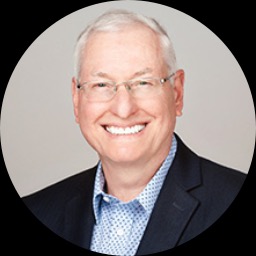
About Robert
Robert Good uses practical, evidence-based approaches to help people manage stress and emotional strain. He is a Licensed Professional Counselor with 30 years of experience and practices in Texas. He keeps conversations straightforward and focused on real problems.
His style is respectful and compassionate while staying goal oriented. Over his career he has helped people handle anxiety, depression, and anger. He also assists with relationship tension and family conflict.
First responder issues are a particular focus he understands from years of work.
Background and approach
Sessions are tailored to each person. He outlines clear steps and adjusts the plan as progress is made. Conversations include problem-focused strategies and skills to use between sessions.
He encourages people to take small, achievable steps toward change. Progress is measured in concrete ways, such as reduced worry, calmer responses, or clearer communication. He will work at a pace that fits each person’s needs.
If someone is unsure where to begin, he helps identify a first goal and a simple plan. He aims to make therapy understandable and useful, not vague or overwhelming. Anyone interested will find a practical, down-to-earth approach to their concerns.
Evidence-based approaches and online care
Robert Good uses evidence-based therapeutic techniques that focus on practical skills and problem solving. One approach emphasizes learning concrete coping skills for anxiety and stress, such as breathing strategies, thought management, and activity planning to reduce worry. Another approach centers on communication and behavior changes to improve relationships and manage anger, teaching clear ways to express needs and set boundaries.Finding the right approach is a collaborative process. The therapist will discuss goals and preferences, try techniques, and adjust plans based on what helps most. Together they choose what fits each person’s needs and life situation rather than assuming a single method will work.
Online therapy offers several practical benefits for this work. Video calls allow face-to-face conversations for skill teaching and role play. Phone sessions can be a simple check-in when bandwidth or time is limited. Live chat and text-based messaging make it easier to get short updates, homework reminders, or quick support between sessions. These options aim to make regular care easier to fit into a busy schedule.
Questions people ask
What concerns does he help with?
What is his therapeutic style?
How long has he practiced?
What are his credentials and where is he based?
Which languages are supported?
What formats are used for sessions?
How does payment and cost work?
How do I get started?
What this counselor works with
Most often
- Stress, Anxiety
- Relationship issues
- Family conflicts
Also listed
- Anger management
- Depression
- First responder issues
- Experience
- 30 years
- Licensed
- Texas, Missouri
- Languages
- English