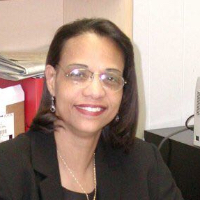
About Rhonda
Rhonda Lucineo is a Licensed Professional Counselor who focuses on helping people manage stress, anxiety, depression, and recovery from trauma. She draws on 13 years of clinical experience to offer steady guidance during difficult life transitions. Her work emphasizes practical steps and clear goals so clients can feel more in control.
Rhonda uses approaches that center on relationships and present-day problems. She brings attachment-based ideas to help people understand how early bonds shape current reactions.
Background and approach
She also uses cognitive behavioral techniques to identify unhelpful thoughts and create new coping skills. Many people seek her help for relationship and family strains. She supports individuals facing divorce, blended family challenges, adoption and foster care concerns, caregiver stress, and infidelity.
She also works with mood disorders, postpartum depression, addictions, and post-traumatic stress. Sessions are conducted in English and are offered online across Connecticut. Rhonda has worked with a wide range of life experiences and aims to meet each person where they are.
She emphasizes respect and straightforward communication in therapy. In sessions clients can expect a blend of short-term problem solving and deeper exploration of personal history when it serves recovery. Motivational interviewing and solution-focused methods are used to set achievable steps.
Rhonda aims to help people build resilience and clearer patterns for healthier relationships.
How attachment and CBT work online
Rhonda combines attachment-based ideas and cognitive behavioral techniques to guide online work. Attachment-based Therapy helps people see how early relationships shape current reactions and patterns. It is useful for healing attachment wounds, navigating family and relationship stress, and understanding why certain situations feel triggering.Cognitive Behavioral Therapy, or CBT, focuses on the link between thoughts, feelings, and actions. It breaks problems into smaller parts, teaches practical coping skills, and helps people test new ways of thinking. This approach often suits mood disorders, anxiety, and situations where clear steps can reduce distress.
Finding the right mix of methods is part of the therapy process. The therapist will collaborate with each person to choose approaches that match their needs, goals, and preferences. That collaborative planning can change over time as progress is made or new priorities emerge.
Online sessions are offered by video calls, phone sessions, live chat, or text-based messaging to increase flexibility. Video works well for deeper conversations and visual cues, while phone calls require less bandwidth and can fit into a work break. Live chat and text are useful for brief check-ins, tracking progress, or continuing work between longer sessions. These options make it easier to fit therapy into a busy life.
Questions people ask
What concerns does she commonly address?
What is her therapeutic style like?
How much clinical experience does she have?
What credentials and region are listed?
Which languages are available for sessions?
What session formats are offered?
How does the subscription and cost work?
How do I begin working with this therapist?
What this counselor works with
Most often
- Stress, Anxiety
- Relationship issues
- Family conflicts
Also listed
Therapeutic approaches
- Experience
- 13 years
- Licensed
- Connecticut
- Languages
- English