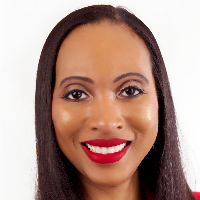
About Pamela
Pamela Johnson is a Licensed Professional Counselor (LPC) based in Georgia with nine years of clinical practice. She focuses on helping people who are struggling with stress, anxiety, depression, grief, trauma and related challenges. Pamela aims to help clients build resilience and practical skills for everyday life.
She uses clear, straightforward approaches. Pamela helps people notice how thoughts affect feelings and behavior, then practices small changes to shift reactions. She emphasizes strengths that already exist and builds on past successes to make change feel possible.
Background and approach
Sessions tend to be collaborative and goal-focused. Pamela listens for what matters most and then works with each person to set realistic steps. She often uses exercises that a person can try between sessions to test what helps.
Her work covers a wide range of concerns, including parenting stress, anger, self-esteem, bipolar mood challenges, ADHD, career transitions, compassion fatigue, and coping with life changes. Pamela also supports people facing family conflict, blended family issues, and problems rooted in family of origin. She combines practical skill-building with an optimistic focus on growth.
The aim is to increase day-to-day functioning, reduce distressing symptoms, and strengthen confidence. Pamela frames therapy as a process of learning and practice so people can move toward a more manageable life.
Therapeutic approaches that work online
Acceptance and Commitment Therapy, or ACT, helps people accept difficult feelings while taking steps that align with their values. It focuses on noticing thoughts without getting stuck in them and committing to actions that matter. Cognitive Behavioral Therapy, or CBT, looks at how thoughts influence emotions and behaviors and teaches practical skills to change unhelpful patterns. CBT often uses homework and experiments to test what helps.Choosing the right approach is a team effort. Pamela will talk with each person about their goals, preferences, and what feels useful. Together they adapt techniques so the work fits the person's life and needs rather than forcing a single method.
Online therapy is offered through video calls, phone sessions, live chat, and text-based messaging to make therapy more flexible. Video works well for in-depth conversations and exercises that need visual cues. Phone sessions can be a good option when bandwidth is limited or for shorter check-ins. Live chat and text messaging allow quick check-ins and ongoing support between longer sessions. These formats help people fit therapy into busy schedules and stay connected when in-person visits are hard to manage.
Questions people ask
What concerns does she address?
How would you describe her therapy style?
What is her background and clinical experience?
What credentials and location are listed?
Which languages are supported and can international clients join?
What session formats does she offer?
How are fees handled?
How do I begin working with her?
What this counselor works with
Most often
- Stress, Anxiety
- Parenting issues
- Anger management
Also listed
- ADHD
- Bipolar disorder
- Blended family issues
- Career difficulties
- Communication problems
- Compassion fatigue
- Coping with life changes
- Depression
- Family conflicts
- Family of origin issues
- Family problems
- Forgiveness
- Grief
- Impulsivity
- Prejudice and discrimination
- Self esteem
- Trauma and abuse
Therapeutic approaches
- Experience
- 9 years
- Licensed
- Georgia
- Languages
- English