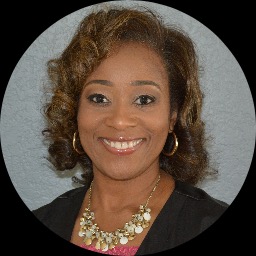
About Marlene
Marlene Hood approaches counseling through a client-centered lens. She focuses on listening first and shaping sessions around each person's needs. Marlene uses simple, steady support to help people manage stress, anxiety, grief, depression, anger, and parenting challenges.
She brings five years as a licensed professional counselor - LPC - in Texas to her work. Sessions emphasize practical skills and emotional understanding. Marlene helps people build coping tools, process trauma and abuse when present, and strengthen self-esteem.
Background and approach
Her background includes long experience in school counseling roles across Texas and Louisiana. That history means she is familiar with school-related processes, behavior plans, and crisis response. She draws on those skills when clients face life transitions, crises, or complicated caregiving questions.
In counseling sessions she centers the client’s perspective. She treats each person as the expert on their own story and collaborates on achievable goals. Conversations are paced to match what the person needs in the moment, with concrete strategies to try between sessions.
Marlene aims to create a steady, encouraging space for people navigating painful experiences. She supports clients as they develop new ways of coping, process difficult feelings, and take steps toward a more manageable daily life.
Client-Centered Care Online and How It Helps
Client-Centered Therapy focuses on a listening approach. The therapist follows the client's lead, reflects what they say, and helps the person discover their own answers. This approach is useful for issues like anxiety, low self-esteem, grief, and stress because it helps people feel heard and understood.For people coping with trauma or abuse, the emphasis is on building a trusting relationship and moving at a pace the client can handle. Sessions aim to strengthen coping skills and support gradual processing of painful memories or reactions rather than pushing for quick fixes.
Finding the right approach is a collaborative process. The therapist will work with each person to identify goals, try methods that fit their needs, and adjust over time. Clients have a say in pacing, focus, and techniques used throughout therapy.
Online formats include video calls, phone sessions, live chat, and text-based messaging. Video sessions allow face-to-face conversation when more visual connection helps. Phone sessions use less bandwidth and can fit into a work break. Live chat and text messaging are useful for shorter check-ins, quick coping reminders, or when typing feels easier than speaking. These options make it easier to schedule regular sessions and maintain progress over time.
Questions people ask
What kinds of concerns does this therapist address?
How would you describe her therapy style?
What is her professional background?
Where is she based and what credential does she hold?
Can I work with her if I live outside the United States?
What session formats are offered?
How are sessions paid for and what do they cost?
How do I begin working with her?
What this counselor works with
Also listed
- Anger management
- Coping with life changes
- Depression
- Grief
- Parenting issues
Therapeutic approaches
- Experience
- 5 years
- Licensed
- Texas
- Languages
- English