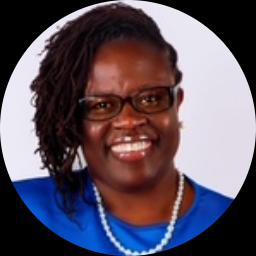
About Margaret
Margaret McFadden is a licensed counselor who brings two decades of experience to her practice in South Carolina. She holds LPC and LCMHC credentials and focuses on helping people manage stress, anxiety, anger, low self-esteem, depression, and life transitions. Her approach is straightforward and respectful, aimed at helping clients take practical steps forward.
She listens carefully and tailors conversations to each person’s needs. Sessions focus on clear goals and doable strategies, not vague theory.
Background and approach
Margaret combines Client-Centered listening with tools from Cognitive Behavioral Therapy and Solution-Focused Therapy to help clients notice patterns and try small changes. Clients can expect a calm, matter-of-fact style that prioritizes real-life problem solving. She works with people to break down big problems into manageable steps and to build skills for handling stress and mood shifts.
The pace and focus are adjusted to what each person needs. Margaret draws on 20 years of work in counseling settings to guide her choices about what to try in session. That experience helps her offer practical options and recognize what tends to help most for common concerns like anxiety and low confidence.
Her aim is to support and empower clients as they make changes. Conversations are collaborative, with attention to short-term wins and longer-term coping skills. People who want clear, practical coaching and steady support often find this approach helpful.
Approaches that guide online sessions
Client-Centered Therapy emphasizes listening and understanding the person’s experience. The therapist offers empathy and respects each person’s goals, helping them feel heard and more able to consider change.Cognitive Behavioral Therapy, or CBT, focuses on the links between thoughts, feelings, and actions. It teaches specific skills to challenge unhelpful thoughts and to try different behaviors for better mood and stress management.
Solution-Focused Therapy looks for what is already working and builds on it. It encourages small, practical steps and concrete goals to create momentum and prompt real change.
Finding the right mix of approaches is part of the work. The therapist collaborates with clients to decide which methods fit their needs, goals, and preferences. That collaborative process allows adjustments as progress is made.
Online sessions use video calls, phone sessions, live chat, or text-based messaging to fit different routines. Video is useful for face-to-face conversations and skills practice. Phone works well when bandwidth is limited or for a shorter check-in. Live chat and text let people send brief updates or work through specific concerns between longer sessions. These options make therapy easier to fit into a busy life and support consistent progress.
Questions people ask
What kinds of problems does she help with?
How would you describe her therapy style?
How much experience does she have?
What are her credentials and location?
Can sessions be conducted in other languages or internationally?
What session formats are available?
How much do sessions cost?
How do I start working with her?
What this counselor works with
Most often
- Stress, Anxiety
- Anger management
- Self esteem
Also listed
Therapeutic approaches
- Experience
- 20 years
- Licensed
- South Carolina, North Carolina
- Languages
- English