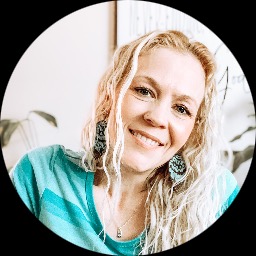
About Lindsey
Lindsey Heinemann is a licensed clinician in Montana with three years of professional experience helping people manage stress, anxiety, trauma and abuse, depression, family conflict, and major life changes. She approaches work with clients as a partner, assuming people know their own stories and bringing a respectful, practical stance to sessions.
Lindsey focuses on small, achievable steps that build momentum and improve day-to-day coping. In sessions she listens for strengths and patterns that can be used to reduce distress.
Background and approach
Lindsey aims to create clear, concrete goals and to break challenges into manageable pieces. She uses straightforward strategies to help with overwhelming thoughts, strong emotions, and relationship tension. Lindsey stresses collaboration.
Clients decide what matters most and she offers tools and feedback to reach those goals. The process is paced to each person’s needs and comfort level. She believes change starts with small experiments that can be practiced between sessions.
Lindsey helps people try new ways of responding, notice what works, and adjust plans over time. This helps build confidence and reduce repeated setbacks. Her Montana licensure is listed as LCPC, which means she meets state requirements for clinical practice.
Lindsey offers sessions that focus on practical coping, emotion management, and clearer communication to support people through transitions and recovery from difficult events.
Evidence-based approaches and online care
Many clients find it helpful to work with structured, evidence-based techniques that focus on clear problems and skills. One common approach is problem-focused skills training, which teaches practical tools for managing stress and anxiety and for coping with difficult emotions. Another useful method is trauma-informed care that helps people process past harms at a pace that feels manageable and reduces their impact on daily life.Finding the right approach is part of the work. The therapist will listen to your goals, try a few techniques, and adjust based on what helps most. This is a collaborative process where the client’s preferences and responses guide each change.
Online formats make it easier to fit therapy into a busy life. Video calls let you have a face-to-face conversation when travel is difficult. Phone sessions can work well when bandwidth is low or when you prefer not to be on camera. Live chat and text-based messaging allow shorter check-ins, notes between sessions, and flexible communication during the week. These options help people keep consistency and adapt sessions to their schedules.
Questions people ask
What concerns does Lindsey address?
What is Lindsey's general approach in sessions?
How much clinical experience does she have?
What credential and region are listed for this therapist?
Which languages are supported for sessions?
What session formats are available?
How does cost and payment work?
How do I begin working with Lindsey?
What this counselor works with
Most often
- Stress, Anxiety
- Family conflicts
- Trauma and abuse
Also listed
- Experience
- 3 years
- Licensed
- Montana
- Languages
- English