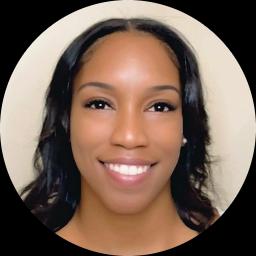
About LeMeita
Dr. LeMeita Smith uses a counseling style that centers the person first. She is a Licensed Professional Counselor (LPC) practicing in Texas with ten years of experience.
She talks plainly and helps people name what feels hard and what strengths they already have. She focuses on stress, anxiety, depression, trauma and abuse, relationship concerns, and family conflict. Sessions aim to help people spot triggers and respond in healthier ways.
Work with her includes identifying old wounds and learning actions that feel more aligned with a person's goals.
Background and approach
Her approach blends practical skill-building with supportive listening. She uses evidence-informed methods to teach coping tools and to change patterns that cause repeated distress. Motivational techniques are used to help people move from thinking about change to taking action.
In session she helps clients set clear, manageable goals. Conversations emphasize concrete steps and small experiments to test new ways of responding. Over time the focus shifts from surviving hard moments to strengthening daily habits that support emotional balance.
Clients can expect a collaborative process where the counselor and client decide what to try next. She encourages people to use their own strengths as a foundation for healing. The work is paced to match each person’s needs and readiness to change.
How therapy approaches guide online work
Attachment-Based Therapy helps people notice how early bonds shape current reactions and relationships, and it focuses on building safer, more predictable ways of connecting. Client-Centered Therapy centers the person's experience and priorities, letting the client lead while the therapist listens and reflects to promote insight and self-direction. Cognitive Behavioral Therapy (CBT) teaches practical strategies to change unhelpful thoughts and actions, and it often helps with anxiety, depression, and stress by breaking cycles of negative thinking.Finding the right approach is part of the work. The therapist will collaborate with each person to choose which methods fit their goals and preferences. That means trying a few techniques, checking what helps, and adjusting the plan together as progress unfolds.
Online therapy offers flexible ways to meet those goals. Video calls allow fuller interaction when visual cues matter. Phone sessions can be a good choice when bandwidth is limited or a simpler check-in is needed. Live chat and text-based messaging are useful for brief updates, tracking practice between sessions, or when someone prefers writing to talking. These options make it easier to keep momentum, fit sessions into a busy week, and try different ways of working to see what helps most.
Questions people ask
What concerns does this counselor help with?
What is the therapy style like?
How much clinical experience is there?
Where is the counselor licensed and located?
What languages are supported for sessions?
Which session formats are available?
How are sessions priced?
What is the first step to begin therapy?
What this counselor works with
Most often
- Stress, Anxiety
- Relationship issues
- Family conflicts
Also listed
Therapeutic approaches
- Experience
- 10 years
- Licensed
- Texas
- Languages
- English