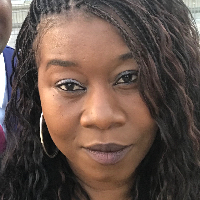
About Lashanda
Lashanda Robertson is a licensed professional counselor who helps people manage stress, anxiety, depression, grief, and parenting challenges. She works with people facing trauma, relationship strain, anger, bipolar concerns, and life changes. Her tone is warm and direct, and she focuses on practical steps that fit everyday life.
With 20 years of experience, Robertson draws on approaches that help people change unhelpful thoughts and learn coping skills. Sessions are conversational and interactive.
Background and approach
She treats each person with respect and listens first to understand what matters most to them. In therapy she uses tools from cognitive behavioral therapy to spot thought patterns that keep problems going. She also uses techniques from dialectical behavior therapy to teach emotion regulation and distress tolerance skills.
Plans are adjusted as progress and goals become clearer. Her background includes many years working in different clinical settings across Georgia. That variety shaped her practical, skills-focused style and her ability to help people with both sudden crises and ongoing struggles.
She avoids labels and centers the person, not the diagnosis. Appointments emphasize clear goals, small experiments between sessions, and steady skill-building. Conversations address what is realistic to try now and what changes might come next.
The work aims to make daily life feel more manageable and to give people tools they can use after therapy ends.
CBT and DBT techniques for online care
CBT focuses on identifying and changing unhelpful thoughts and behaviors. In practice this means noticing automatic thoughts, testing them in small experiments, and trying new behaviors that reduce anxiety or low mood. It often helps with stress, depression, and persistent worry.DBT teaches emotion regulation, distress tolerance, and interpersonal effectiveness skills. These skills help people manage intense feelings, reduce impulsive reactions, and improve communication during conflicts or stressful moments.
Choosing the right approach is a collaborative process. The therapist works together with each person to match techniques to their needs, goals, and daily life. Plans are adjusted over time so the work stays practical and relevant.
Online sessions can fit busy schedules and different comfort levels. Video calls let people work face to face, phone sessions use less bandwidth and can be easier during a short break, and live chat or text messaging support brief check-ins and ongoing skill coaching between appointments. These options make it easier to keep therapy consistent while balancing school, work, and family commitments.
Questions people ask
What concerns does this therapist help with?
How would you describe the therapy style and approach?
What is her professional background and experience?
Where is this therapist licensed and based?
Which languages are supported for sessions?
What session formats are available for remote work?
How is cost handled for sessions?
How do I begin therapy with this clinician?
What this counselor works with
Also listed
- Anger management
- Bipolar disorder
- Coping with life changes
- Depression
- Family conflicts
- Grief
- Parenting issues
- Relationship issues
Therapeutic approaches
- Experience
- 20 years
- Licensed
- Georgia
- Languages
- English