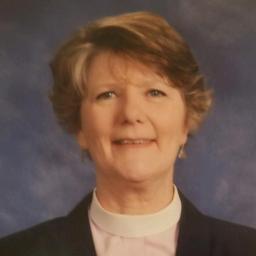
About Lajunta
Lajunta Rios is a licensed professional counselor who focuses on helping people recover from trauma and abuse. She brings 14 years of experience to sessions and aims to create a respectful, nonjudgmental space for each person she meets. Rios emphasizes being seen and heard as the first step toward healing.
She works collaboratively, listening to a person's story and helping them name what they need. She respects different beliefs and life experiences, including faith-based perspectives and LGBTQ+ identities.
Background and approach
Her practice centers on trauma-informed care. That means she pays attention to how past harm affects present feelings and behaviors and adjusts the pace of therapy to match what a person can handle. She uses evidence-based therapeutic techniques to help people process difficult events and rebuild trust in themselves and others.
Sessions are guided by compassion and the client's own goals. Rios treats each person as the expert on their life and supports choices about what to address and when. The work can include processing grief, learning skills to manage overwhelming feelings, and making small changes that add up over time.
People often begin therapy feeling uncertain, and Rios focuses on practical steps that feel manageable. She helps clients set clear goals, track progress, and adjust the plan as needed. Her aim is to walk alongside people as they move toward greater stability and hope.
How trauma-focused approaches work online
Rios uses trauma-informed principles and evidence-based techniques to support recovery. Trauma-informed care means sessions move at a pace the client can manage while attending to how past harm shapes current reactions. This approach is useful for people processing abuse or overwhelming events who need steady, careful pacing.She also draws on evidence-based therapeutic techniques that help people process difficult memories and build coping skills. These methods involve talking through experiences, practicing emotion regulation skills, and using step-by-step exercises to reduce distress. The focus is practical work that helps people feel more in control day to day.
Choosing the right approach is a collaborative process. The therapist will talk with each person about goals, preferences, and what feels most helpful. Together they adjust methods and pace based on progress and comfort, so the plan evolves with the client's needs.
Online therapy offers flexible ways to meet. Video calls let people benefit from face-to-face interaction while staying at home. Phone sessions use less bandwidth and can fit into a work break. Live chat and text-based messaging allow short check-ins and ongoing support between sessions. These options make it easier to fit therapy into a busy life and keep consistent momentum.
Questions people ask
What concerns does she address?
How would you describe her therapeutic style?
What is her professional background?
What credentials and location are on record?
Which languages are available for sessions?
What session formats are offered?
How does payment and cost work?
How do I begin working with her?
What this counselor works with
Most often
- Experience
- 14 years
- Licensed
- Texas
- Languages
- English