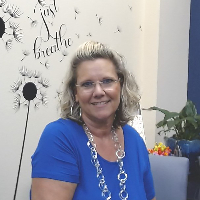
About Kimberly
Kimberly Quintero is a Licensed Professional Counselor (LPC) based in Oklahoma with 30 years of clinical experience. She brings a calm, patient presence to sessions and focuses on practical ways to manage stress, anxiety, grief, depression, and life transitions. Kimberly emphasizes collaboration and steady progress rather than quick fixes.
Her background includes work in outpatient mental health centers, a university student counseling center, and public schools as an elementary school counselor.
Background and approach
That range of settings has shaped a flexible, down-to-earth style. She values an interactive relationship where clients feel heard and involved in planning each step. Kimberly uses Cognitive Behavioral Therapy to help people notice unhelpful thoughts and try new behaviors between sessions.
She also employs Eye Movement Desensitization and Reprocessing for people coping with traumatic memories. In both approaches she encourages small, consistent practice so changes can stick. Sessions are aimed at building skills for handling parenting strain, relationship problems, anger, self-esteem, career stress, and other everyday challenges.
She asks questions, offers clear feedback, and suggests exercises people can try between meetings to track progress. Outside of work she values family time and enjoys being near water. Her style is supportive and straightforward, with an emphasis on helping people find solutions that fit their real lives.
How CBT and EMDR Adapt to Online Care
CBT, or Cognitive Behavioral Therapy, helps people notice unhelpful thoughts and test small behavior changes. Online sessions can review thought patterns, set short practice tasks, and monitor progress between meetings. EMDR, Eye Movement Desensitization and Reprocessing, is used to help people process distressing memories by pairing focused attention with guided sets of eye movements or other bilateral stimulation; in online sessions the therapist guides the process step by step and checks in frequently to keep pacing comfortable.Choosing the right approach is a shared process. The therapist will talk about your goals and concerns, explain how each method works, and together you will decide what to try first. That plan can change as you learn what helps most, and adjustments are made with your input.
Online therapy offers flexible ways to connect. Video calls let you meet face-to-face without travel. Phone sessions can be a good option when bandwidth is limited or a camera is not wanted. Live chat and text-based messaging work well for shorter check-ins, quick skill practice, or when fitting care into a busy day. These formats make it easier to attend sessions from work, home, or while traveling, and they allow consistent follow-up on skills and exercises between meetings.
Questions people ask
What kinds of problems does she help with?
What is her general therapy style?
How long has she been practicing?
Where is she licensed and based?
Which languages are supported for sessions?
What session formats are available?
How are sessions paid for?
What do I do to begin working with her?
What this counselor works with
Most often
- Stress, Anxiety
- Family conflicts
- Grief
Also listed
- Anger management
- Career difficulties
- Coping with life changes
- Depression
- Parenting issues
- Relationship issues
- Self esteem
- Trauma and abuse
Therapeutic approaches
- Experience
- 30 years
- Licensed
- Oklahoma
- Languages
- English