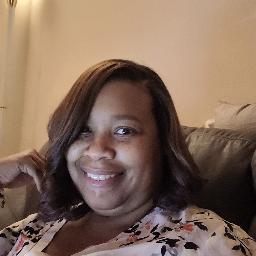
About Kesha
Kesha Greene is a Licensed Professional Counselor in Georgia who approaches therapy as a shared process. She centers sessions on honest conversation and practical problem solving. Her style is warm and direct, aimed at helping people manage stress, anxiety, grief, anger, and low self-esteem.
Kesha has seven years as an LPC and more than a decade of experience delivering mental health and social services in community, school, and residential settings.
Background and approach
That background gives her experience with depression, addictions, trauma and abuse, bipolar concerns, and the day-to-day strain of caregiving and compassion fatigue. She also supports people facing relationship, family, career, and life-change challenges. In sessions she blends client-centered work with tools from cognitive behavioral therapy and solution-focused approaches.
She uses motivational interviewing when people want help finding motivation for change. The focus is on practical steps clients can try between meetings and tracking what helps. Kesha aims to build trust by being authentic and attentive.
She listens for what matters most to each person and then co-creates goals. Progress is measured in small, concrete changes rather than abstract promises. People who choose her can expect straightforward talk, usable skills, and a collaborative atmosphere.
She explains options, checks in about what’s working, and adapts the plan as needs change.
How therapeutic approaches work online
Client-Centered Therapy focuses on listening and understanding the person's perspective. Online sessions let the therapist reflect what is most important to the client and help them set their own goals. Cognitive Behavioral Therapy, or CBT, breaks problems into thoughts, feelings, and actions and teaches simple exercises to shift them. CBT works well for anxiety, depression, and stress because it gives step-by-step tools to try between meetings.Finding the right approach is part of the work together. The therapist will discuss options, try methods that fit the client's goals, and adjust as needed. That collaborative process helps decide whether to emphasize client-centered listening, CBT skills, or motivational techniques to increase readiness for change.
Online formats like video calls, phone sessions, live chat, and text-based messaging give practical benefits. Video calls let people work face-to-face without travel. Phone sessions need less bandwidth and can fit a break during a workday. Live chat and text messaging are useful for quick check-ins, brief coaching, or people who prefer writing. These options make it easier to stay consistent with therapy and try methods that fit daily life.
Questions people ask
What concerns does this therapist address?
What is the therapeutic style like?
What experience does the therapist have?
Where is the therapist based and what are the credentials?
Are sessions offered in other languages or internationally?
What session formats are available?
How are fees and payment handled?
How do I begin working with this therapist?
What this counselor works with
Most often
- Stress, Anxiety
- Grief
- Anger management
Also listed
- Addictions
- Bipolar disorder
- Career difficulties
- Compassion fatigue
- Coping with life changes
- Depression
- Family conflicts
- Relationship issues
- Self esteem
- Trauma and abuse
Therapeutic approaches
- Experience
- 7 years
- Licensed
- Georgia
- Languages
- English