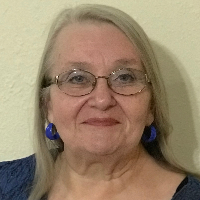
About Kathryn
Kathryn Robinson offers direct, practical help for people feeling overwhelmed by stress, anxiety, trauma, depression, substance issues, grief, anger, or major life changes. She uses clear talking and focused strategies so people can take small, steady steps toward feeling better. Kathryn practices in Texas and holds an LPC, which means she works under the Texas Licensed Professional Counselor designation.
Kathryn spent many years in clinical settings, including six years at a mental health facility and work in residential dual diagnosis centers.
Background and approach
That experience gave her a lot of hands-on time supporting people managing both substance use and mental health diagnoses. She has worked with people who have bipolar disorder, schizophrenia, major depression, and related conditions. Her main clinical method is Cognitive Behavioral Therapy (CBT), which focuses on changing unhelpful thinking and behavior patterns.
She also draws on techniques from dialectical behavioral approaches, Gestalt, person-centered methods, and an integrative view that considers physical, emotional, mental, and spiritual needs. Sessions tend to be straightforward and warm. Kathryn describes her style as down-to-earth and firm when boundaries are needed.
She aims to challenge negative thinking and reduce stigma while helping clients build practical coping skills. Kathryn also integrates faith-based principles when a client requests that perspective. She emphasizes ongoing learning and seeks opportunities to expand her skills.
If someone is ready to face difficult issues, she offers steady support and practical tools to work toward clearer goals.
How Kathryn Uses CBT Online and Practical Session Options
CBT, or Cognitive Behavioral Therapy, focuses on identifying unhelpful thoughts and changing behaviors that keep problems in place. It is often used for anxiety, depression, stress, and many forms of trauma-related difficulty by teaching concrete skills and short-term exercises that clients can practice between sessions.In addition to CBT, Kathryn draws from person-centered ideas that emphasize listening, warmth, and respect to help clients feel heard. She also borrows techniques from dialectical behavioral approaches to teach emotion regulation and distress-tolerance skills when intense emotions are present.
Choosing the right approach is a collaborative process. She will work with each person to match methods to their goals, needs, and preferences, and will adjust strategies as progress is made. Clients help set priorities and decide if faith-informed elements should be included.
Online therapy offers several practical benefits for working with Kathryn. Video calls let clinicians observe nonverbal cues and run skills-based exercises. Phone sessions can be easier when bandwidth is limited or when someone prefers not to be on camera. Live chat and text messaging make brief check-ins, homework support, and quick coping reminders more convenient between longer sessions. These options allow for scheduling flexibility and make it simpler to keep consistent momentum while addressing day-to-day challenges.
Questions people ask
What concerns does Kathryn commonly address?
How would you describe her therapeutic style?
What is her clinical background?
What credentials and location are on file?
Are sessions offered in other languages or internationally?
Which formats are available for sessions?
How does payment and cost work?
What steps do I take to begin therapy?
What this counselor works with
Also listed
- Addictions
- Anger management
- Bipolar disorder
- Coping with life changes
- Depression
- Grief
- Intimacy-related issues
Therapeutic approaches
- Experience
- 13 years
- Licensed
- Texas
- Languages
- English