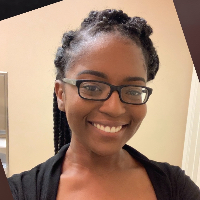
About Katherine
Katherine Anderson is a Licensed Professional Counselor (LPC) based in Texas who focuses on helping people manage stress, anxiety, anger, and depression. She has three years of experience as an LPC and a longer history working in behavior services. Katherine writes and talks plainly so families can understand next steps.
Before becoming an LPC, Katherine spent eight years as a Registered Behavioral Therapist. That work gave her a lot of hands-on experience with autism spectrum disorder and attention differences.
Background and approach
She also gained experience supporting adoption and foster care situations, intellectual disability, and disruptive mood dysregulation disorder. Katherine uses a mix of Client-Centered Therapy, Cognitive Behavioral Therapy (CBT), and Solution-Focused Therapy. She adapts these methods to match each person's needs.
Sessions tend to focus on practical skills, clear goals, and steady progress. Her style is warm and straightforward. She listens closely and asks questions that help people see what matters most.
For parents, she offers simple strategies to handle behavior and school or home challenges. Katherine aims to make the process manageable. She works with people on short-term goals and longer-term concerns, always checking in to adjust the plan.
Reaching out is the first step, and she helps families move forward one step at a time.
How Katherine's Approaches Work Online
Client-Centered Therapy focuses on listening and understanding each person's experience. The therapist follows the client's lead, offers empathy, and helps people make choices that match their values. This approach is useful when someone needs space to sort feelings and build confidence.Cognitive Behavioral Therapy, or CBT, looks at how thoughts, feelings, and actions connect. It teaches practical tools to shift unhelpful thinking and change behaviors that keep problems going. CBT is often used for anxiety, depression, anger, and stress management.
Finding the right approach is collaborative. The therapist will discuss goals, try methods, and adjust plans based on what helps most. Clients and the therapist check progress and pick strategies that feel helpful and realistic.
Online therapy offers flexibility through video calls, phone sessions, live chat, and text messaging. Video lets people work face-to-face from different places. Phone sessions can fit a short break or require less bandwidth. Live chat and text are useful for quick check-ins, homework support, or when writing feels easier. These options make it simpler to keep sessions consistent around school, work, and family life.
Questions people ask
What concerns does Katherine commonly address?
What is Katherine's therapy style like?
What background does she bring to her work?
Where is Katherine licensed and practicing?
Which languages are supported for sessions?
What formats are available for sessions?
How are costs and payments handled?
How do I begin working with Katherine?
What this counselor works with
Most often
- Stress, Anxiety
- Anger management
- Depression
Also listed
- Adoption and foster care
- Autism and Asperger Syndrome
- Disruptive Mood Dysregulation Disorder (DMDD)
- Family conflicts
- Intellectual disability
- Parenting issues
- Self esteem
- Trauma and abuse
Therapeutic approaches
- Experience
- 3 years
- Licensed
- Texas
- Languages
- English