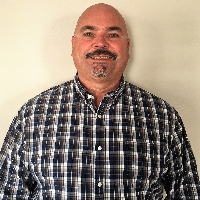
About Jeffrey
Dr. Jeffrey Caldwell is a Licensed Professional Counselor (LPC) practicing in Michigan. He focuses on helping people manage anxiety, depression, stress, anger, and relationship concerns in straightforward, practical ways.
He emphasizes each person's worth and works to create a plan that fits their situation. He draws on several evidence-based methods to shape sessions, including cognitive behavioral ideas, mindfulness practices, and psychodynamic perspectives. Those approaches are mixed to meet the needs people bring, so sessions can include skill-building, attention to thought patterns, and looking at how past experiences affect current feelings.
Background and approach
Jeffrey has seven years of clinical experience. That time has included work with grief, trauma and abuse, intimacy-related issues, parenting concerns, and self-esteem struggles. He aims to make sessions focused and useful rather than abstract.
In the room he tends to keep language plain and goals specific. People can expect to set concrete steps, practice new skills, and check progress regularly. He adapts the plan as needs shift.
If someone wants to begin, the process starts with a short matching questionnaire and then scheduling a session. The approach is collaborative: the therapist and client shape what comes next together.
How his approaches work online
He commonly uses cognitive behavioral techniques to help people identify unhelpful thoughts and build practical skills for managing anxiety, depression, anger, and stress. CBT-style work often includes short exercises, goal setting, and behavioral experiments that translate well to online sessions.He also incorporates mindfulness practices to help people learn grounding and awareness skills. Mindfulness exercises are easy to guide over video or phone and can be used between sessions as short daily practices.
Psychodynamic ideas are used to notice patterns and past influences that affect current relationships and intimacy concerns. That work focuses on understanding recurring themes and making gradual changes through reflection and conversation.
Choosing the right mix is a collaborative process. The therapist will work with each person to decide which approaches fit their needs, goals, and preferences. Plans are adjusted over time based on what’s helpful.
Online therapy offers practical flexibility through video calls, phone sessions, live chat, or text-based messaging. Video is useful for face-to-face conversation and teaching exercises, phone sessions can fit into a short break or require less bandwidth, and chat or messaging can support quick check-ins or ongoing skill practice between sessions.
Questions people ask
What kinds of concerns does he address?
What is his therapy style like?
How much clinical experience does he have?
What credentials and location apply to his practice?
Which languages are offered for sessions?
What session formats are available?
How is cost handled for sessions?
How do I begin working with him?
What this counselor works with
Most often
- Stress, Anxiety
- Relationship issues
- Anger management
Also listed
- Depression
- Family conflicts
- Grief
- Intimacy-related issues
- Parenting issues
- Self esteem
- Trauma and abuse
- Experience
- 7 years
- Licensed
- Michigan
- Languages
- English