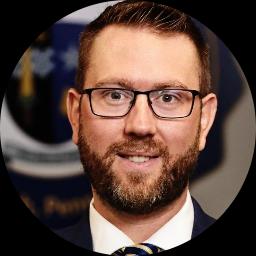
About James
James Eller is a Licensed Professional Counselor who turned personal hardship into a career supporting others. He brings 11 years of practice in school counseling and coaching into his clinical work. James focuses on clear, practical steps to help people manage strong feelings and life changes.
He speaks English and works with clients in Pennsylvania. James uses a straightforward style in sessions. He listens first, then helps people set small, doable goals.
Background and approach
He has a long record helping with grief, which he identifies as a specialty, and he draws on both training and personal experience for that work. He also commonly supports people coping with depression, anxiety, addiction, anger, and relationship strain. Sessions tend to be conversational and goal-focused.
James blends client-centered listening with solution-focused planning and motivation-based techniques. He helps people notice what matters, try changes, and track progress in regular steps. Mindfulness tools are used when they fit a person's needs to reduce stress and build calm habits.
James is used to working in school settings and with a wide range of concerns. He is comfortable addressing career worries, compassion fatigue, ADHD, and seasonal affective symptoms, as well as smoking and vaping cessation. His approach adapts to each person rather than following a single script.
People who choose James can expect a collaborative process. He invites clients to set the pace and goals. Together they create plans that are realistic and relevant to daily life.
Approaches for online sessions and how they help
Client-centered therapy starts by focusing on what matters most to the person in the room. The therapist listens without judgment and helps clarify goals, which can be useful for grief, anxiety, and relationship concerns.Solution-focused therapy emphasizes small, practical steps and clear goals. It is helpful when someone wants concrete changes, like improving coping with stress or reducing smoking and vaping behaviors. Motivational interviewing supports readiness for change by exploring personal reasons and strengths, which fits work on addictions and behavior change.
Choosing the right approach is part of the online process. The therapist will talk with the client about needs, goals, and preferences, and then recommend one or a mix of approaches. This is a collaborative effort and adjustments are made as progress is tracked.
Online sessions can include video calls, phone sessions, live chat, or text-based messaging to fit different schedules and needs. Video calls work well for in-depth conversations and visual connection. Phone sessions use less bandwidth and can be a straightforward check-in. Live chat or text messaging can suit brief updates, quick coping strategies, or people who prefer written communication. These options offer flexibility to fit work, school, and daily life.
Questions people ask
What concerns does he commonly address?
What is his therapeutic style like?
How long has he been practicing?
What credentials and location are on file?
Which languages are supported for sessions?
What session formats are available?
How does billing and cost work?
How do I begin working together?
What this counselor works with
Most often
- Stress, Anxiety
- Relationship issues
- Grief
Also listed
- Addictions
- ADHD
- Anger management
- Autism and Asperger Syndrome
- Career difficulties
- Compassion fatigue
- Coping with life changes
- Depression
- Family conflicts
- Seasonal Affective Disorder (SAD)
- Self esteem
- Smoking / vaping cessation
- Trauma and abuse
Therapeutic approaches
- Experience
- 11 years
- Licensed
- Pennsylvania
- Languages
- English