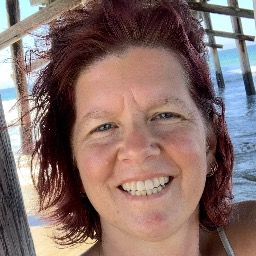
About Georgette
Georgette McNally is a Licensed Professional Counselor (LPC) in Arizona with 13 years of experience. She focuses on helping people who want to make changes in their lives. She has worked with clients facing substance use, depression, anxiety, trauma, and other difficult life events.
Her work is practical and goal-oriented. She draws on Cognitive Behavioral Therapy and solution-focused methods to help people identify immediate steps they can try. Sessions typically center on small, concrete changes that add up over time.
Background and approach
Georgette aims to create a respectful, positive space in sessions. She meets people where they are and helps them find strengths they may not see. The conversation is collaborative and paced to each persons needs.
Clients can expect straightforward planning and skill-building. That might include coping strategies for stress, tools to manage mood or cravings, or techniques to handle relationship and parenting challenges. She also addresses issues like grief, anger, sleep problems, and codependency.
Georgette helps people set clear goals and makes step-by-step plans to reach them. She blends motivational techniques with mindfulness practices to support ongoing change. Her focus is on workable strategies that fit daily life.
Approaches for change via online sessions
Georgette uses Cognitive Behavioral Therapy to help people notice unhelpful thought patterns and test new, more useful ways of thinking and acting. CBT is often used for anxiety, depression, sleep problems, and patterns that keep people stuck.She also uses Dialectical Behavior Therapy skills and Mindfulness techniques to teach emotional regulation and present-moment awareness. DBT-style skills can help when strong emotions and relationship stress make daily life harder, while mindfulness helps people slow down and respond rather than react.
Finding the right mix of approaches is part of the work. The therapist will collaborate with each person to choose methods that match their goals, needs, and preferences. That plan can be adjusted as progress is made and new challenges come up.
Online formats include video calls, phone sessions, live chat, and text-based messaging. Video calls allow fuller conversation and visual cues. Phone sessions can fit a break at work or require less bandwidth. Live chat and text messaging are useful for quick check-ins, skill practice, or when typing feels easier than speaking. These options make it flexible to fit therapy into a busy life while keeping the focus on practical skills and steady progress.
Questions people ask
What kinds of concerns does she address?
How would you describe her therapy style?
What is her background and experience?
What credentials and region are listed?
Which languages are supported and are international sessions offered?
What session formats are available?
How is cost handled?
How do I begin working together?
What this counselor works with
Most often
Also listed
- ADHD
- Anger management
- Bipolar disorder
- Career difficulties
- Coaching
- Codependency
- Compassion fatigue
- Coping with life changes
- Depression
- Drug and alcohol addiction
- Eating disorders
- Family conflicts
- Grief
- Intimacy-related issues
- Parenting issues
- Relationship issues
- Sleeping disorders
- Trauma and abuse
Therapeutic approaches
- Experience
- 13 years
- Licensed
- Arizona
- Languages
- English