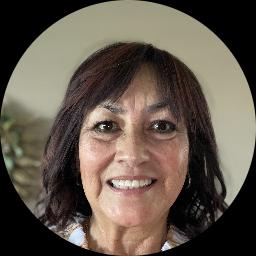
About Ernestine
Ernestine Tennefos helps people dealing with trauma and abuse, parenting strain, stress and anxiety, addiction concerns, relationship challenges, grief, anger, and issues with intimacy and self-esteem. She is Ernestine Tennefos, LPCC, and she invites a calm, straightforward approach when someone first reaches out. She focuses on making sessions easy to join and simple to understand.
Conversations are plain and direct. She aims to create a space where clients can say what they think and feel without judgment.
Background and approach
Ernestine draws on client-centered methods to follow each person's priorities. She also uses cognitive behavioral tools to break down unhelpful thinking and practice different responses. Mindfulness techniques are taught in short, usable exercises to reduce tension and bring focus back to the present.
When relationship or intimacy issues come up, emotionally-focused ideas help people notice interaction patterns and try new ways of connecting. Sessions emphasize learning skills that can be used between meetings, not only talked about during them. Ernestine has 15 years of experience working in mental health in New Mexico.
She keeps language simple and meetings practical so clients can fit therapy into busy lives. Taking the first step can feel hard, and she works to make the next steps clear and manageable.
Therapeutic approaches and how they work online
Ernestine uses client-centered therapy to follow each person's priorities and pace. This approach means sessions focus on what the client wants to address, with the therapist listening and reflecting to help clarify feelings and goals.She also uses cognitive behavioral therapy, which looks at thinking patterns and behavior. In practice this means identifying unhelpful thoughts, trying different ways of thinking, and practicing small behavior changes between sessions to reduce anxiety or stress.
Finding the right approach is part of the work together. Ernestine will discuss methods, try techniques, and adjust based on the client's needs, goals, and preferences. The choice of method is collaborative rather than fixed from the start.
Online therapy offers flexibility through video calls, phone sessions, live chat, or text-based messaging. Video lets people see facial cues and have a fuller conversation, while phone sessions work well when bandwidth is limited or a quieter audio-only check-in is needed. Live chat and text messaging suit short check-ins, brief skill practice, or when writing feels easier than speaking. These options help fit therapy into work breaks, child care windows, or tight schedules.
Questions people ask
What concerns does she address?
How would you describe her therapy style?
What is her background and experience?
What credentials and location are listed?
Which languages are available for sessions?
What session formats are offered?
How does billing and cost work?
How do I begin working with this therapist?
What this counselor works with
Most often
- Trauma and abuse
- Parenting issues
Also listed
- Addictions
- Anger management
- Coping with life changes
- Family conflicts
- Grief
- Intimacy-related issues
- Relationship issues
- Self esteem
- Stress, Anxiety
Therapeutic approaches
- Experience
- 15 years
- Licensed
- New Mexico
- Languages
- English