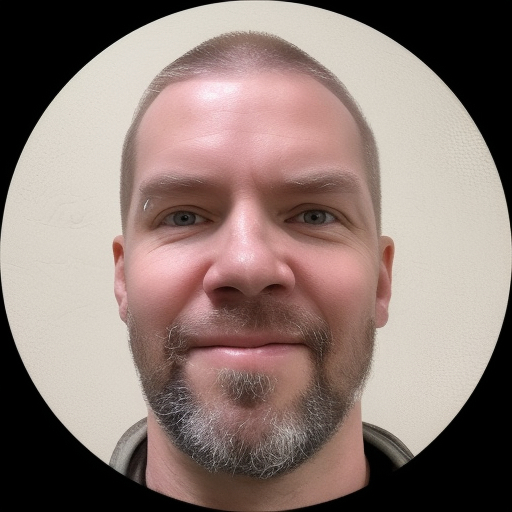
About Daniel
Daniel Williams is a licensed professional counselor (LPC) based in Oklahoma with 13 years of experience. He helps people facing stress, anxiety, addiction recovery, relationship concerns, trauma, and grief. Daniel listens without judgment and focuses on simple, practical steps people can use right away.
He pays attention to emotional wounds like guilt, shame, and the process of forgiveness. Sessions are shaped to each person's beliefs and values, including options for faith-informed support when the client wants that.
Background and approach
Conversations move at a pace the client finds comfortable. Daniel uses well-established, evidence-based techniques to help people build coping skills and change unhelpful patterns. He works on improving communication, managing intense feelings, and creating routines that reduce stress.
Practical strategies and small experiments between sessions are common parts of the work. People often come for concrete goals such as reducing panic, staying sober, repairing trust, or processing a loss. Daniel focuses on what can be changed now and on steps that fit daily life.
He aims to make therapy straightforward and usable. Sessions are offered in English and are available to international clients. Formats include video calls, phone sessions, live chat, and text-based messaging.
Daniel's practice uses a subscription model that can be canceled at any time.
Evidence-based techniques and online care
Daniel draws on well-established, evidence-based therapeutic techniques that help people manage strong emotions and change unhelpful habits. One common approach he uses focuses on building practical coping skills - teaching breathing and grounding tools, planning small behavior changes, and practicing new responses to stress. This helps with anxiety, cravings, and intense emotional reactions.Another frequent focus is improving communication and relational patterns. That work includes identifying unhelpful interaction cycles, rehearsing clearer ways to express needs, and setting small boundaries that reduce conflict. These steps are useful for people who want better connection and less repeating of the same arguments.
Choosing the right approach is a collaborative process. The therapist will talk with each person about their goals, try methods that fit their situation, and adjust plans based on what helps. Together they decide which techniques feel most useful and realistic.
Online therapy offers practical benefits for this work. Video calls allow face-to-face conversation and visual cues, phone sessions can be easier when bandwidth is limited, live chat is useful for quick check-ins, and text-based messaging supports brief reflections between sessions. These options make it easier to fit therapy into a busy life and keep continuity across changes in location or schedule.
Questions people ask
What concerns does he help with?
What is his general approach in sessions?
How much clinical experience does he have?
Where is he located and what credential does he hold?
Which languages are sessions offered in?
What session formats are available?
How do fees and billing work?
How do I begin working with him?
What this counselor works with
Most often
- Stress, Anxiety
- Addictions
- Relationship issues
- Experience
- 13 years
- Licensed
- Oklahoma
- Languages
- English